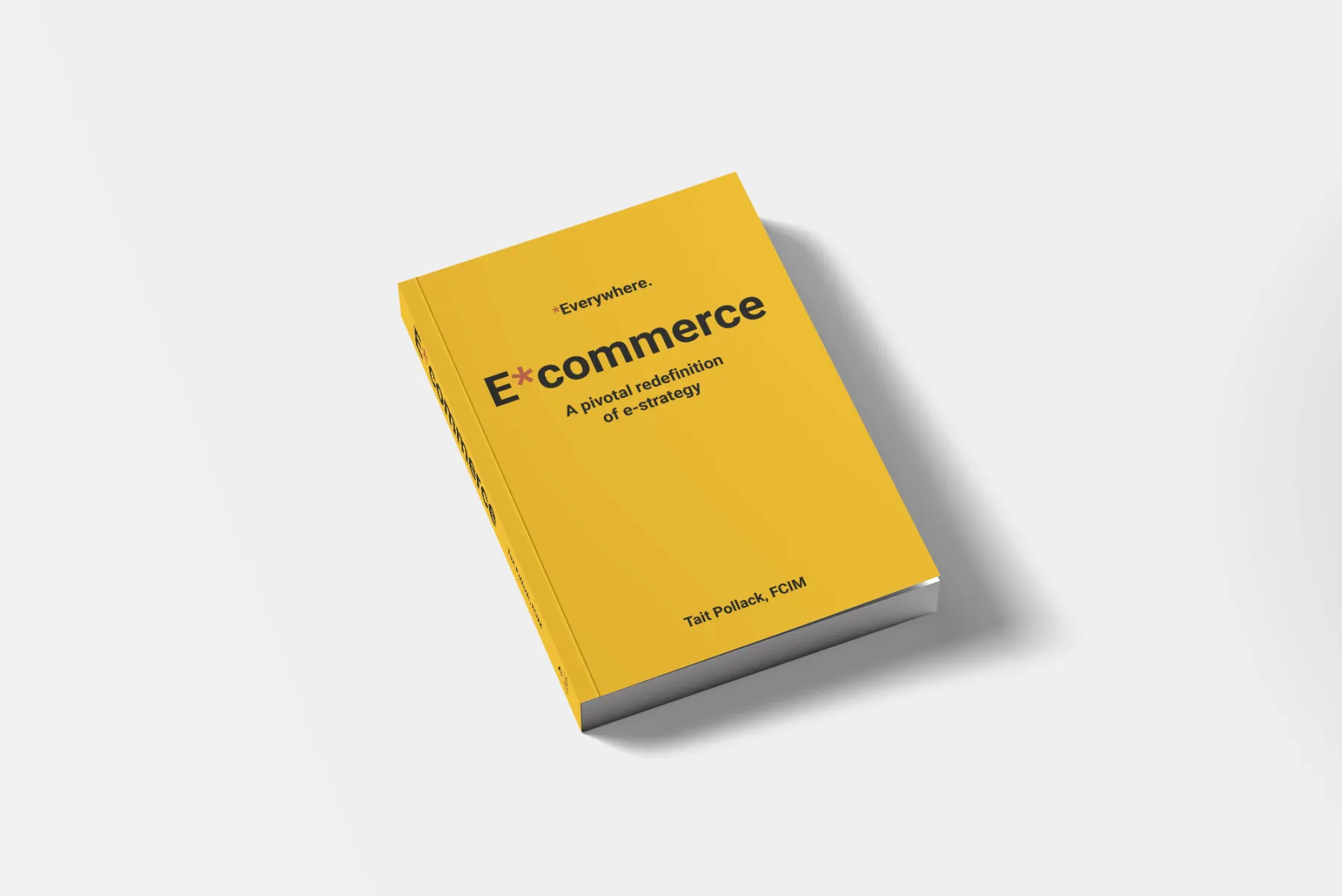
Written by our founder, Tait Pollack, Everywhere-Commerce is the first place the term E*commerce appears in print — and the first time it’s backed by a full, working methodology.
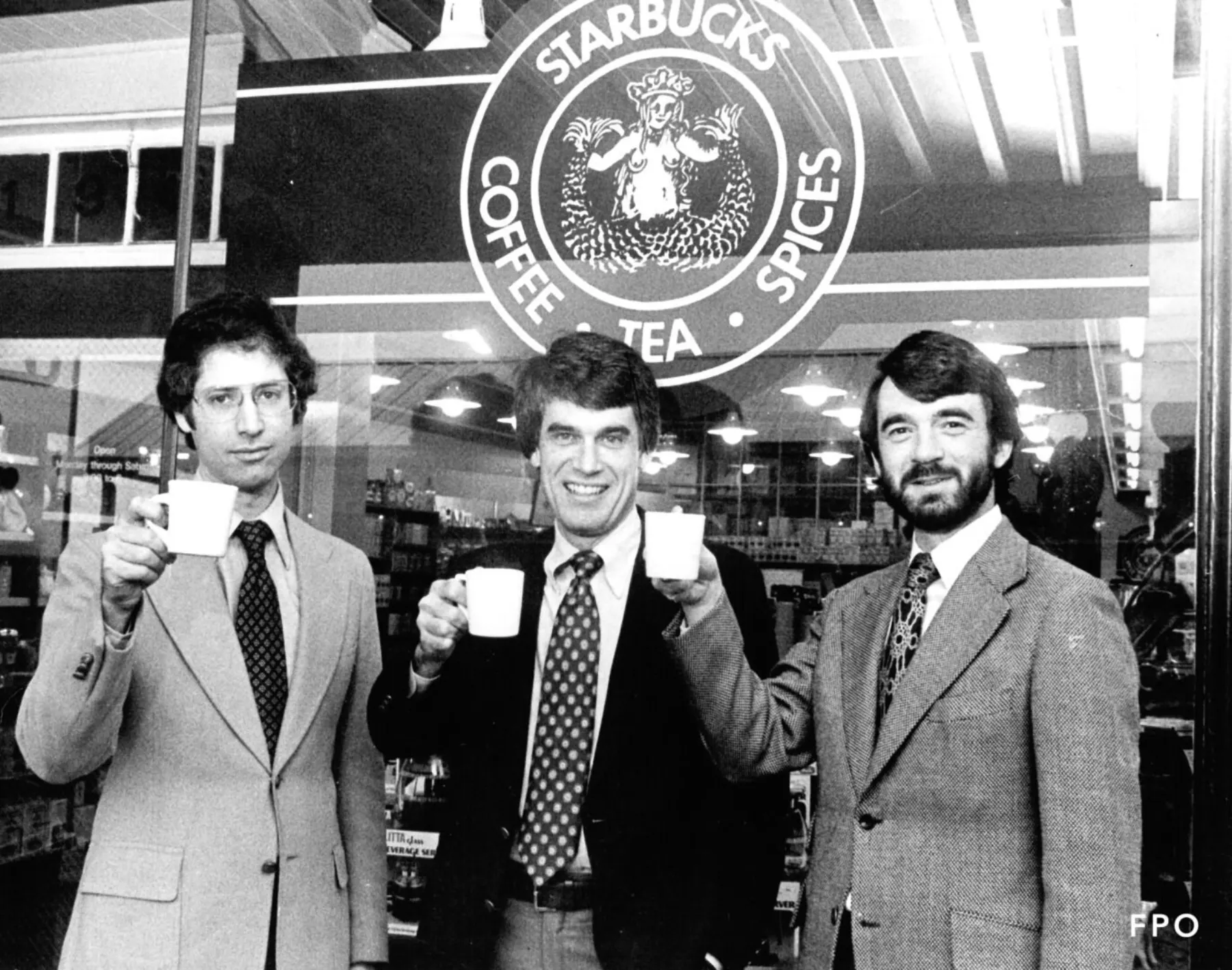
Starbucks, or the modern coffee shop experience, is precisely what it sounds like, a place to enjoy quality coffee in a comfortable "third place" between work and home. You might have looked at the title of this post and thought, wait - wasn't Starbucks just a local coffee bean shop in 1971? That's true, but it doesn't mean the seeds of a revolution weren't planted.
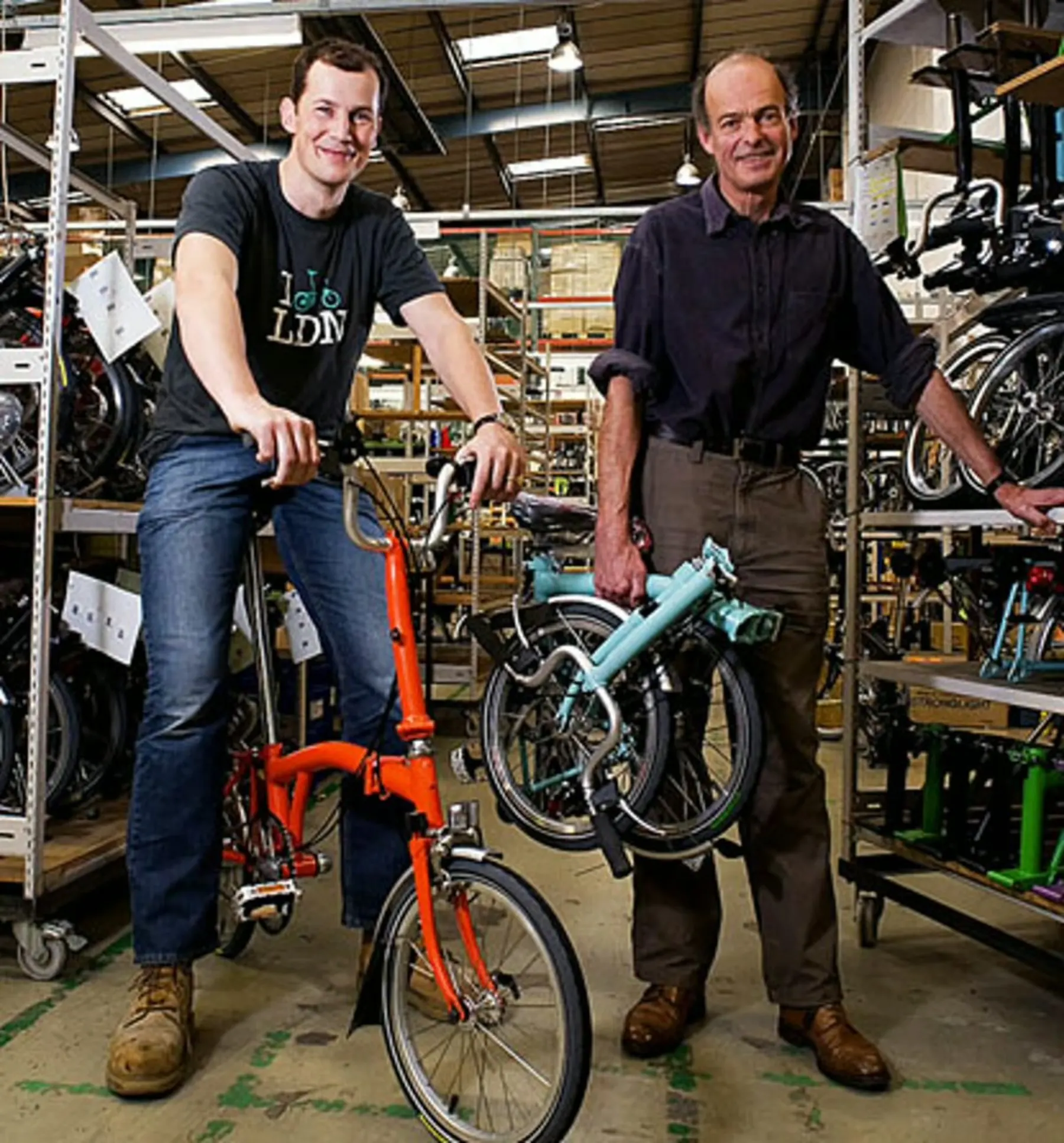
Brompton, or the modern folding bicycle revolution, is precisely what it sounds like—a meticulously engineered bike that folds into a compact package small enough to take on public transport, store under a desk, or tuck away in the smallest urban apartment. You might have looked at the title of this post and thought, wait - wasn't Brompton just a one-man operation in 1975? That's true, but it does
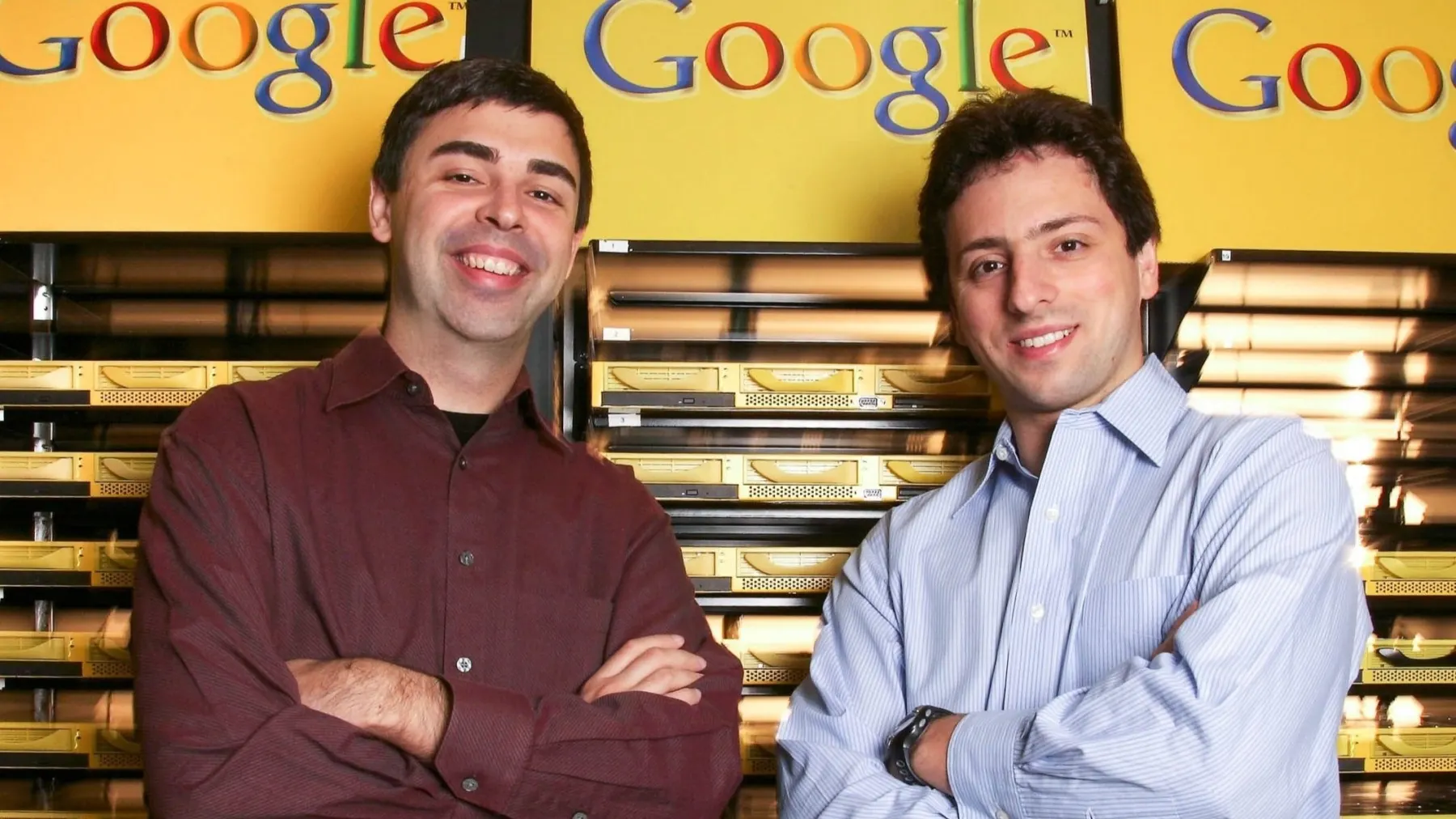
A leader in the digital and technological fields, Google is one of the wealthiest companies in the world and an innovator and leader for the rest of us. With an admirable mission statement (“Don’t be evil”) and a billion users, Google's story is one that we can learn from even today, well after the company’s 20th anniversary.
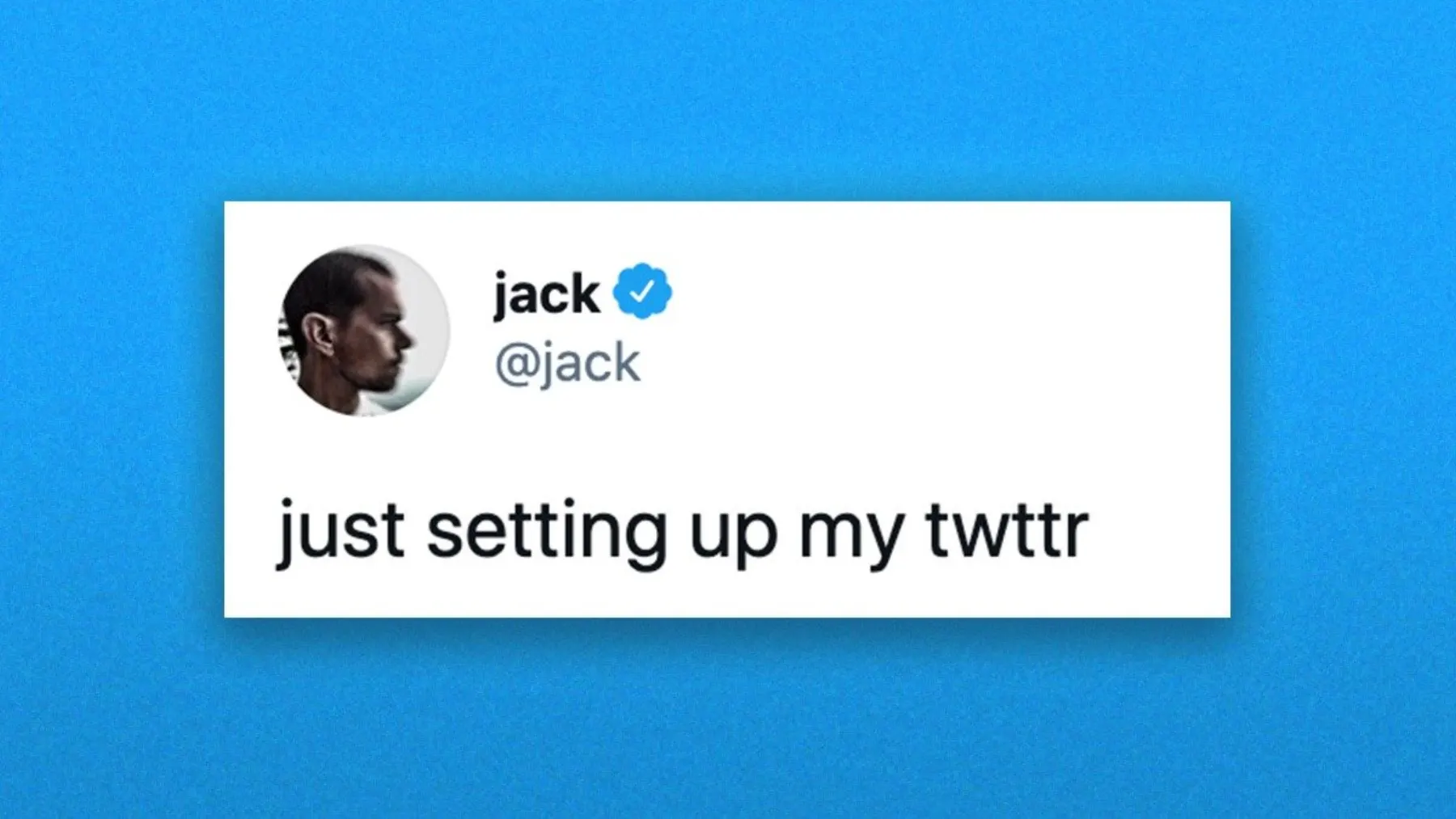
Technically, Twitter is an online microblogging service that has grown from a social networking platform into a well-considered source of breaking news worldwide since it was first made public in 2006.
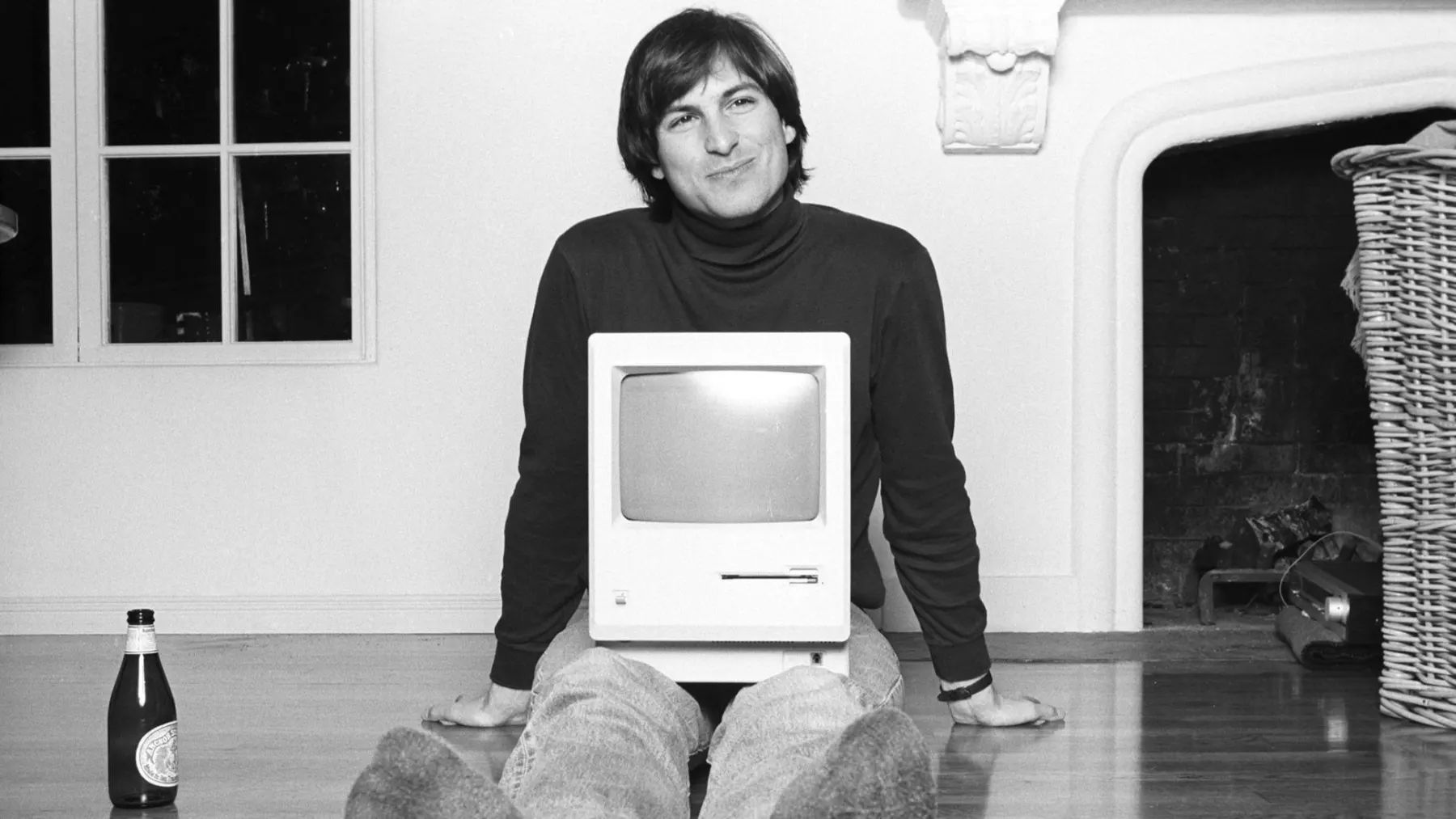
With founders who are now household names and technology that continues to grow and push the market, it’s no wonder that in 2018, Apple made history. They became the world’s first publicly traded company to achieve a market capitalisation of $1 trillion.
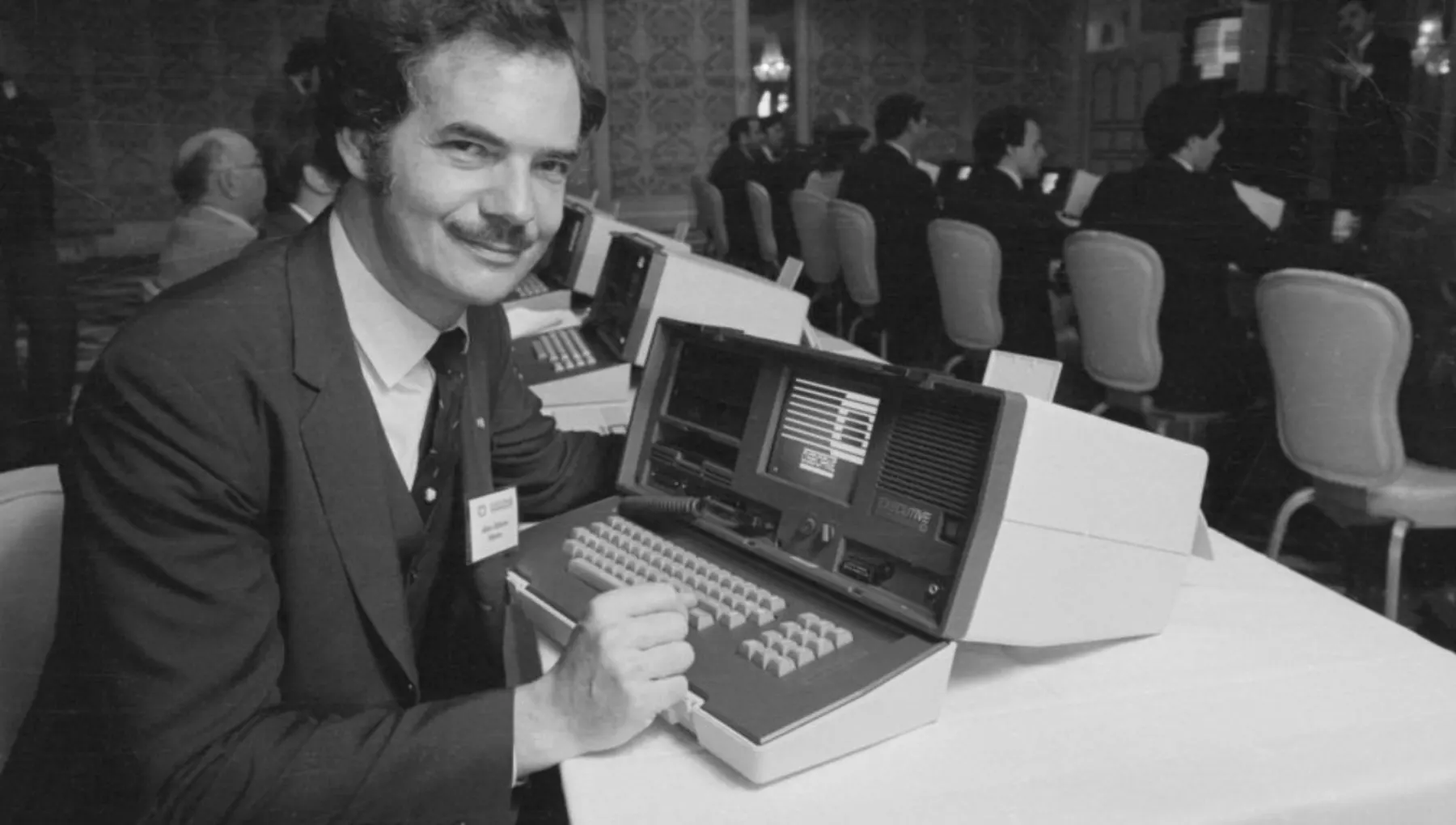
It wasn’t until March 1980 that Osborne approached engineer Lee Felsenstein with his idea. Like Steve Jobs, Felsenstein was a member of the HomeBrew Computer Club and an ex-Intel engineer. Osborne proposed that a company create affordable, portable computers with installed software. And he wanted Felsenstein to develop the hardware.
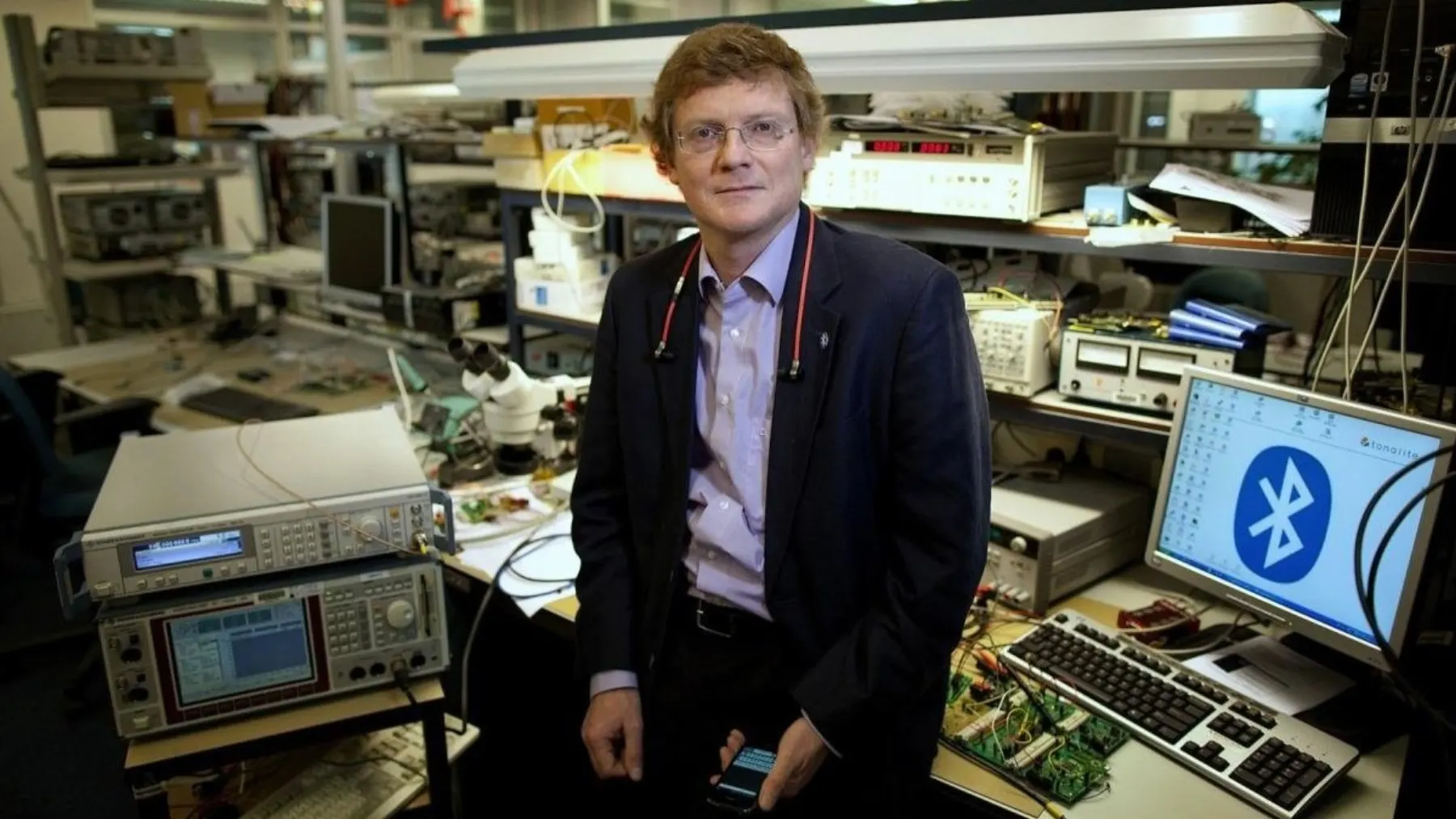
In 1994, Haartsen took on a project related to indoor wireless systems and attempted to find a way to enable short-range radio connections. He eventually developed this system, which became the daily Bluetooth technology.
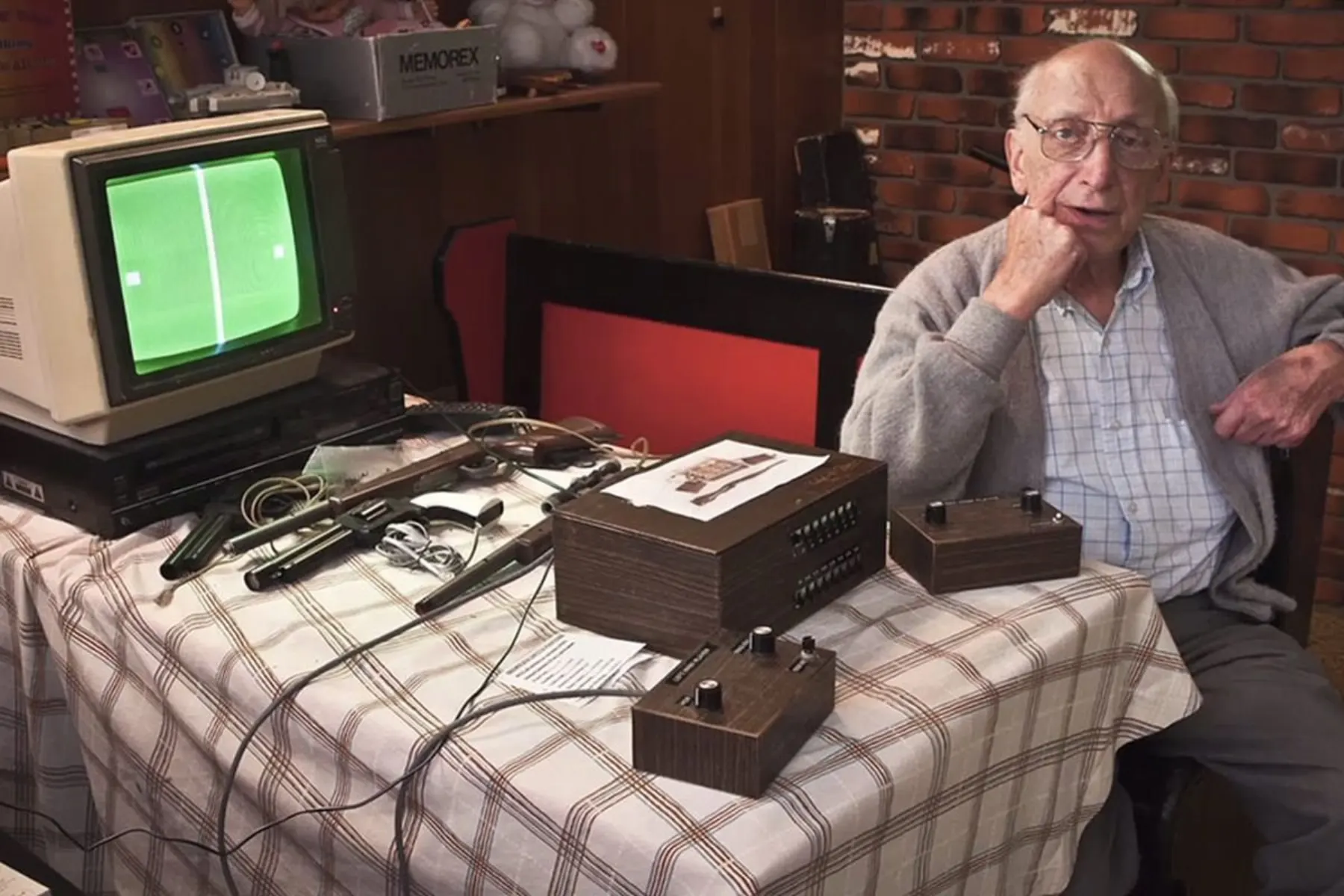
In 1971, Baer and Sanders Associates filed the first-ever video game patent, eventually granted in 1973. The patent held the legal monopoly on any product that included a regular TV with circuits capable of producing and controlling dots on the screen.