

Shipping platform · Linnworks integration
Shippo
Labels, without leaving Linnworks.
Shippo is the multi-carrier shipping platform behind more than 300,000 businesses, with discounted rates across 40+ carriers. Linnworks is where thousands of online retailers run their orders, stock and dispatch. In 2025 the two companies partnered so that Linnworks merchants could compare carriers, buy labels and print manifests through Shippo without leaving Linnworks. Pivotal built the integration that makes it work, and runs its development: the connection, the label flow, the manifests, and the steady stream of changes that keep it in step with two platforms that never stand still.
- Carriers inside Linnworks
- 40+
- API keys to copy and paste
- 0
- Manifest per carrier, merged for printing
- 1
Results for Shippo: 40+ carriers inside Linnworks; 0 API keys to copy and paste; 1 manifest per carrier, merged for printing.
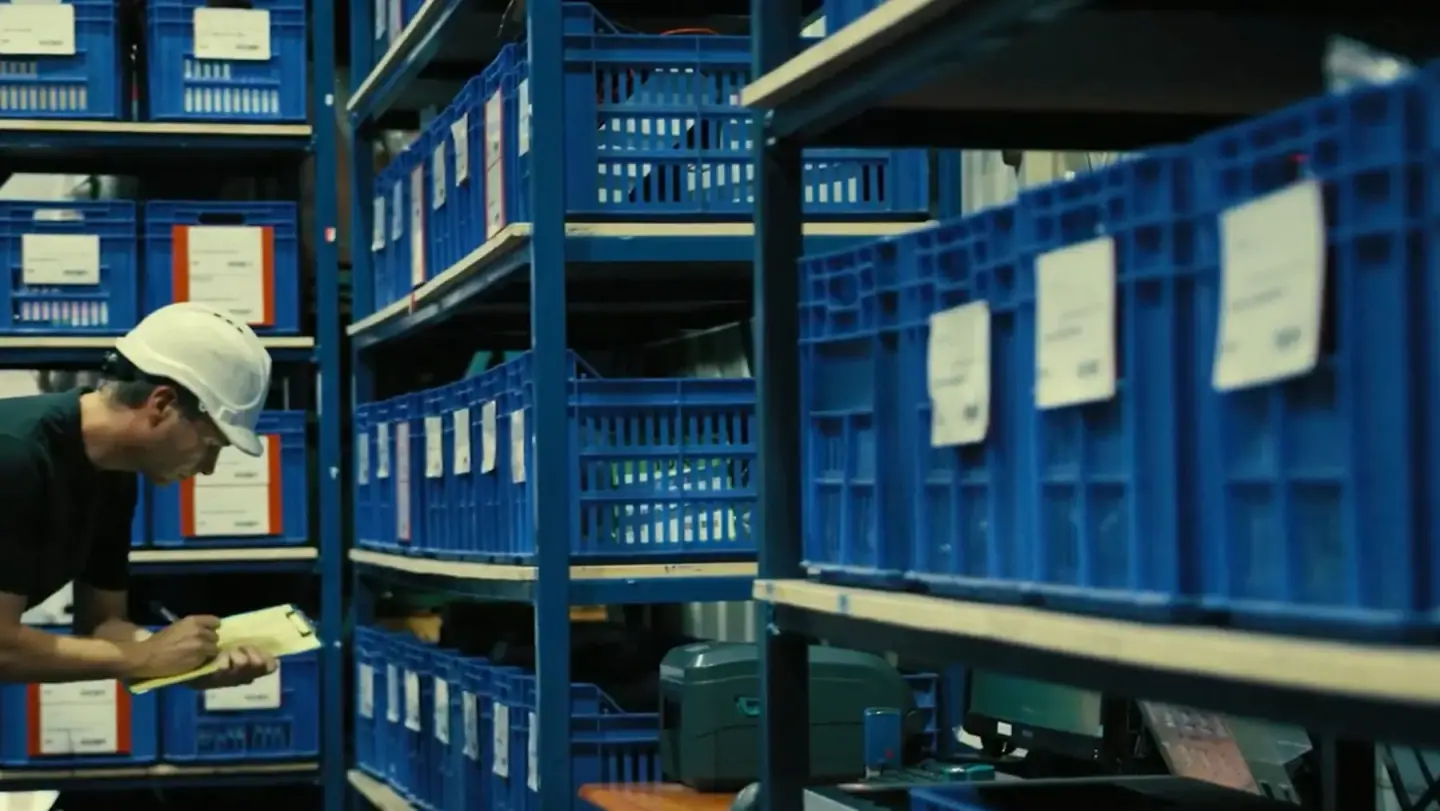
The Opportunity
A shipping integration lives in the gap between two platforms, and it is judged at the worst possible moment: the end of the day, when a warehouse has a few hundred orders to label and a collection to make. Every detail has to be right. The carrier and service a merchant picked, or the cheapest or fastest one Shippo found for them, has to land on the order. Labels have to come out in the format the printer expects. Manifests have to match what each driver actually takes away.
Shippo's engineers know shipping inside out. What they needed was a partner who knows Linnworks just as well, from its order model and automation rules to the way it issues tokens and prints documents, and who could own the integration rather than hand problems back and forth across two engineering teams.
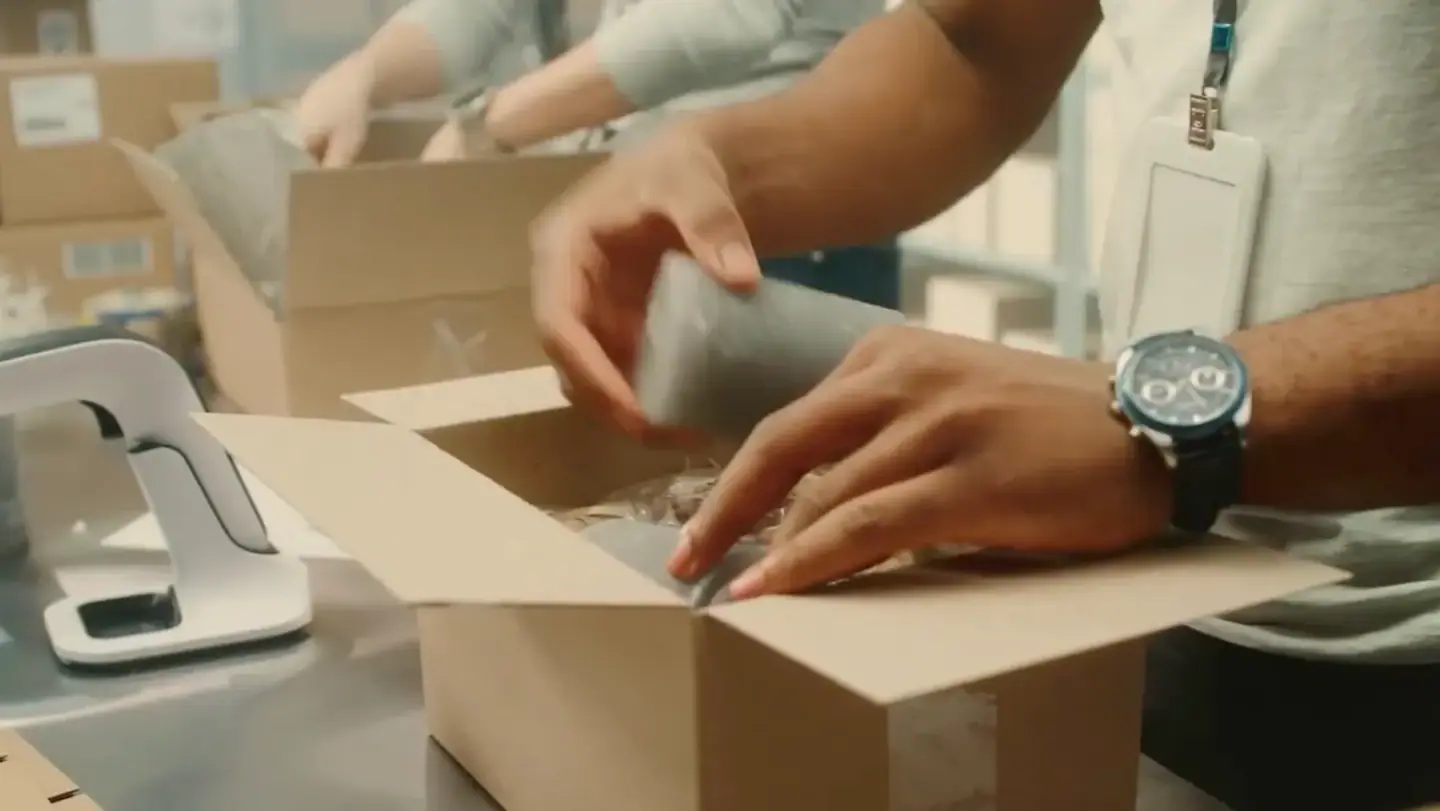
The Solution
Connected in one sign-in. Merchants link Linnworks to Shippo by signing in, not by pasting API keys between two admin screens. When newer Linnworks installs stopped receiving a permanent token, we traced the cause to the way Linnworks registers apps and moved the integration to the model it now expects, with a migration path for existing merchants and automatic onboarding for new ones.
Built to run quietly. The integration is written in Python on AWS, with order and label data held in DynamoDB. Every request carries an ID that ties it to the matching call in Shippo, so when a merchant reports a problem the full trail is one search away, and the busiest lookups are indexed rather than scanned so dispatch stays fast as volumes grow.

The Label Flow
Cheapest and fastest, resolved. When a merchant lets Shippo choose the cheapest or fastest service, the order now shows the real carrier and service that was bought, never a placeholder, so automation rules and instant-label workflows behave exactly as they do for a hand-picked service. Auto-select only ever chooses from the services the merchant has mapped in Linnworks.
Manifests that match the van. Orders are grouped by carrier, each carrier gets its own manifest, and the PDFs are merged into one file to print at the end of the day.
The small things that save a phone call. Tracking links point to Shippo's branded tracking page. Labels honour the merchant's printer format. Parcels with missing dimensions get a clear message before they fail, and carrier paperwork arrives without stray instruction pages.
The Way We Work
We work in sprints with Shippo's team, with every pull request reviewed by Shippo's own engineers to the standard their SOC 2 programme requires. When Linnworks changed its label API to carry composite and child items, the integration had to be ready before Linnworks could release the change to every merchant, so we adapted the connector and got it through review ahead of the platform-wide rollout.
The Results
Linnworks merchants can rate-shop across Shippo's carriers, buy labels and print manifests from inside Linnworks, with the cheapest or fastest service written back to the order as the real carrier and service. Shippo has a Linnworks integration owned by a team that works in Linnworks every day, Linnworks has a shipping partner that keeps pace with its own releases, and merchants get labels that simply come out right at the end of the day.