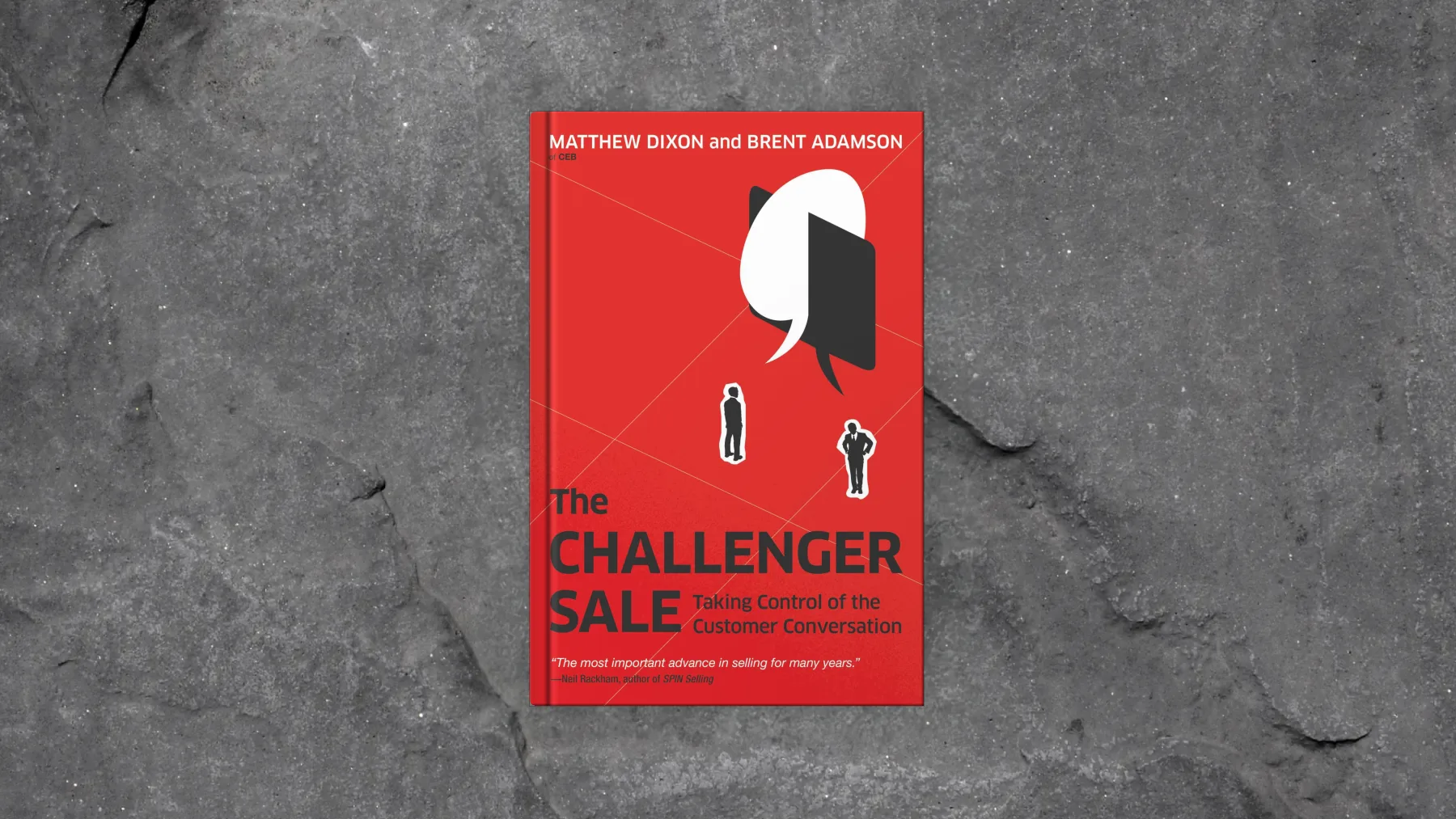
Ask most people what makes a great salesperson and they’ll describe someone likeable, well connected and good at building rapport. The Challenger Sale, by Matthew Dixon and Brent Adamson, suggests that picture is misleading.
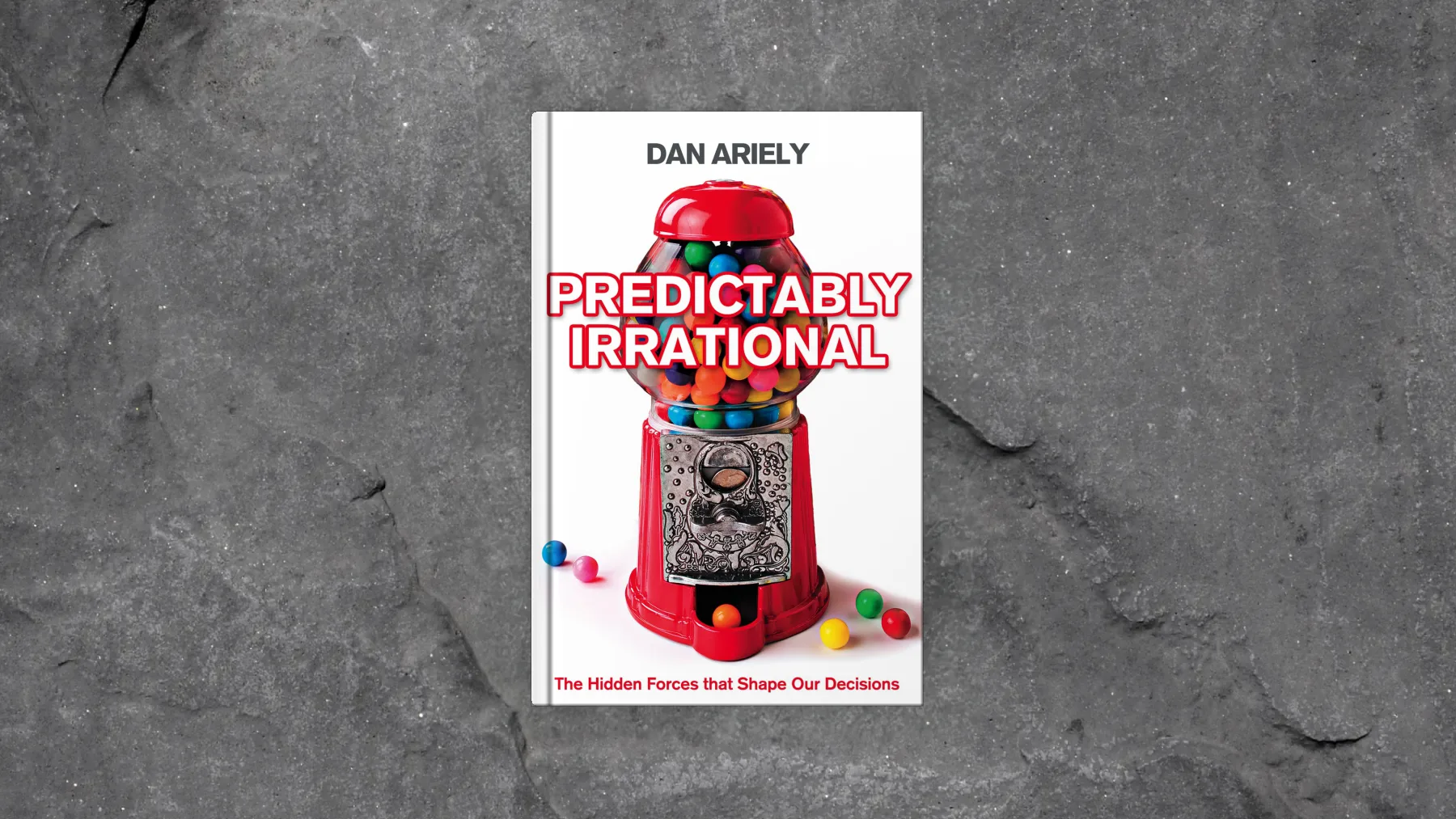
Economics textbooks assume people weigh up their options sensibly and choose what’s best for them. Dan Ariely, a behavioural economist, spent years running experiments that suggest otherwise. Predictably Irrational, published in 2008, collects the results.
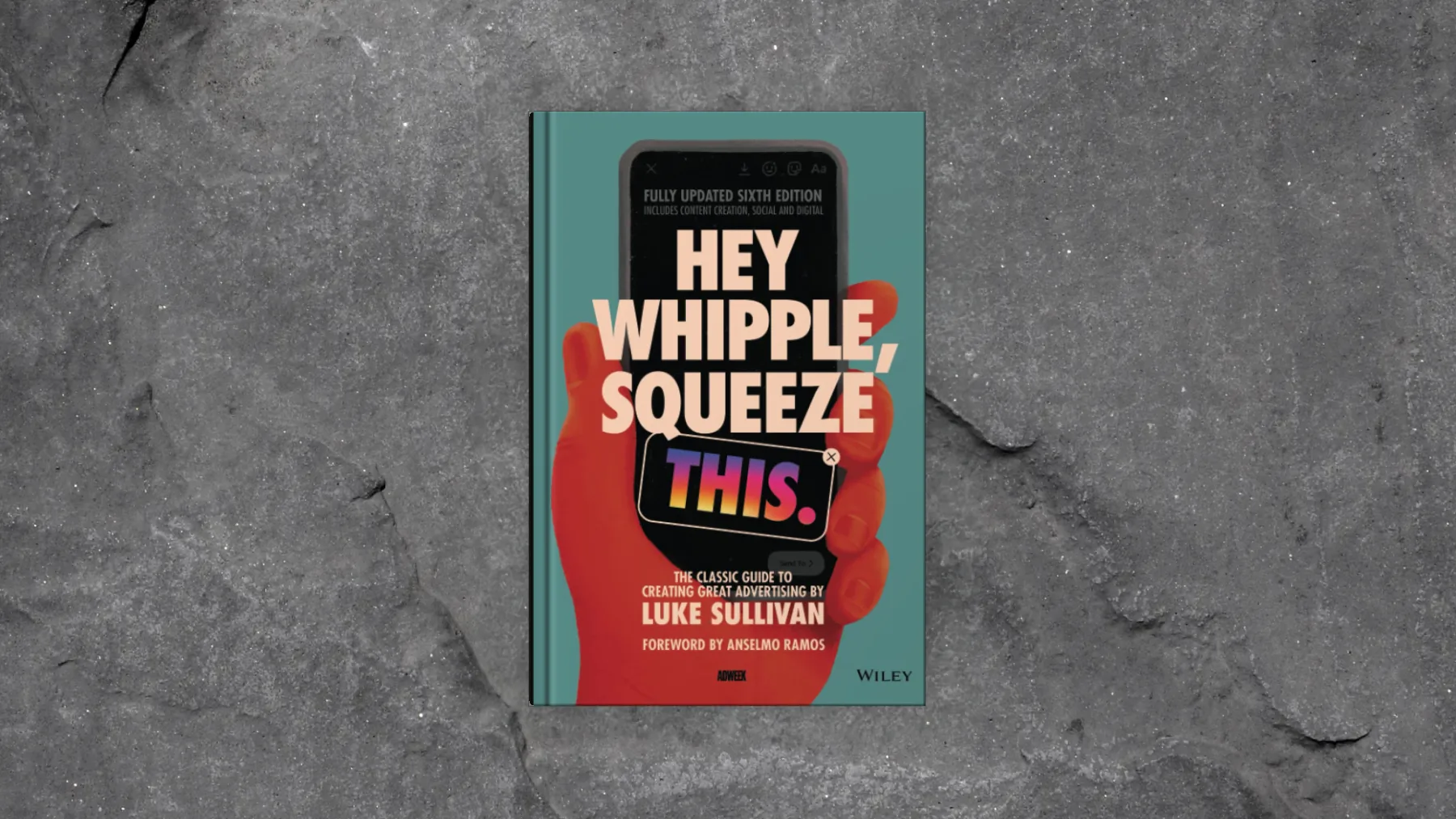
The title is a joke at the expense of Mr Whipple, the fussy shopkeeper in the long-running Charmin toilet roll adverts who begged customers not to squeeze the product. Luke Sullivan, a veteran advertising copywriter, uses him as the patron saint of everything tired and irritating about the industry.
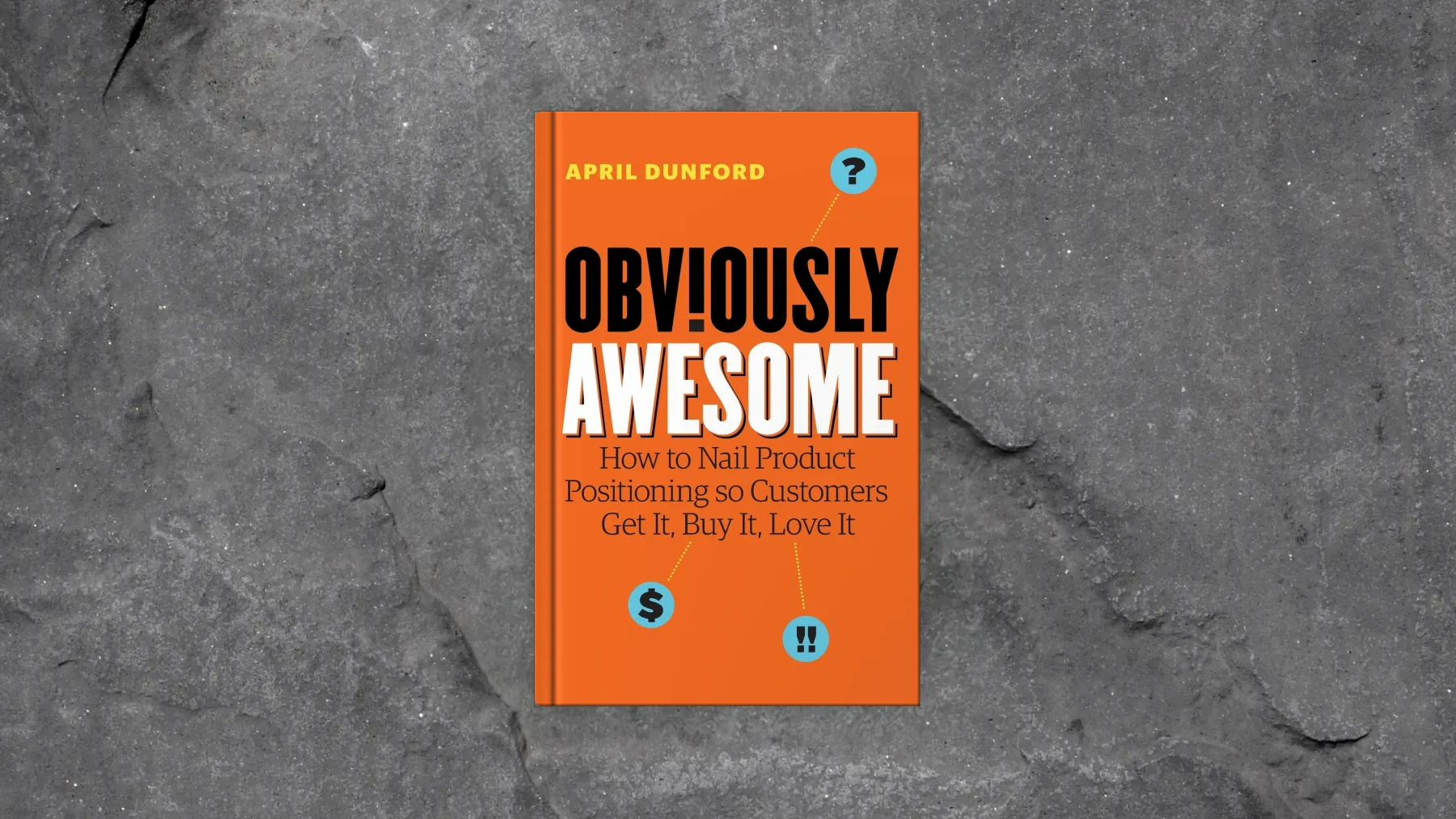
Ever watched a prospect nod politely through a demo, then go quiet? April Dunford would say they didn’t understand what they were looking at. In Obviously Awesome, she explains why that happens and how to fix it.
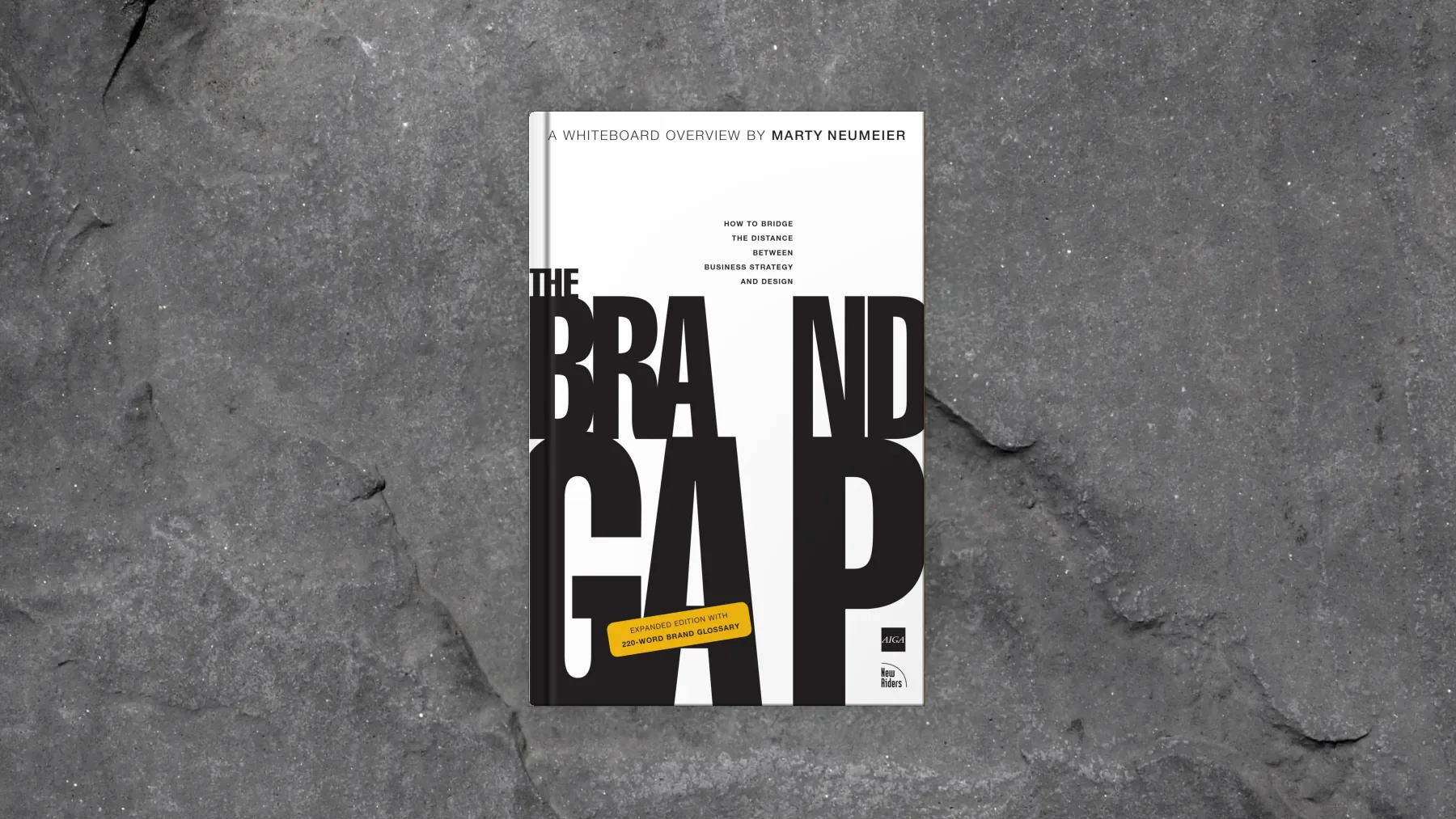
Few words get misused in business as often as “brand”. People mean the logo, the colours, the tagline, the budget line on a spreadsheet. In The Brand Gap, Marty Neumeier cuts through all of it with a single definition.
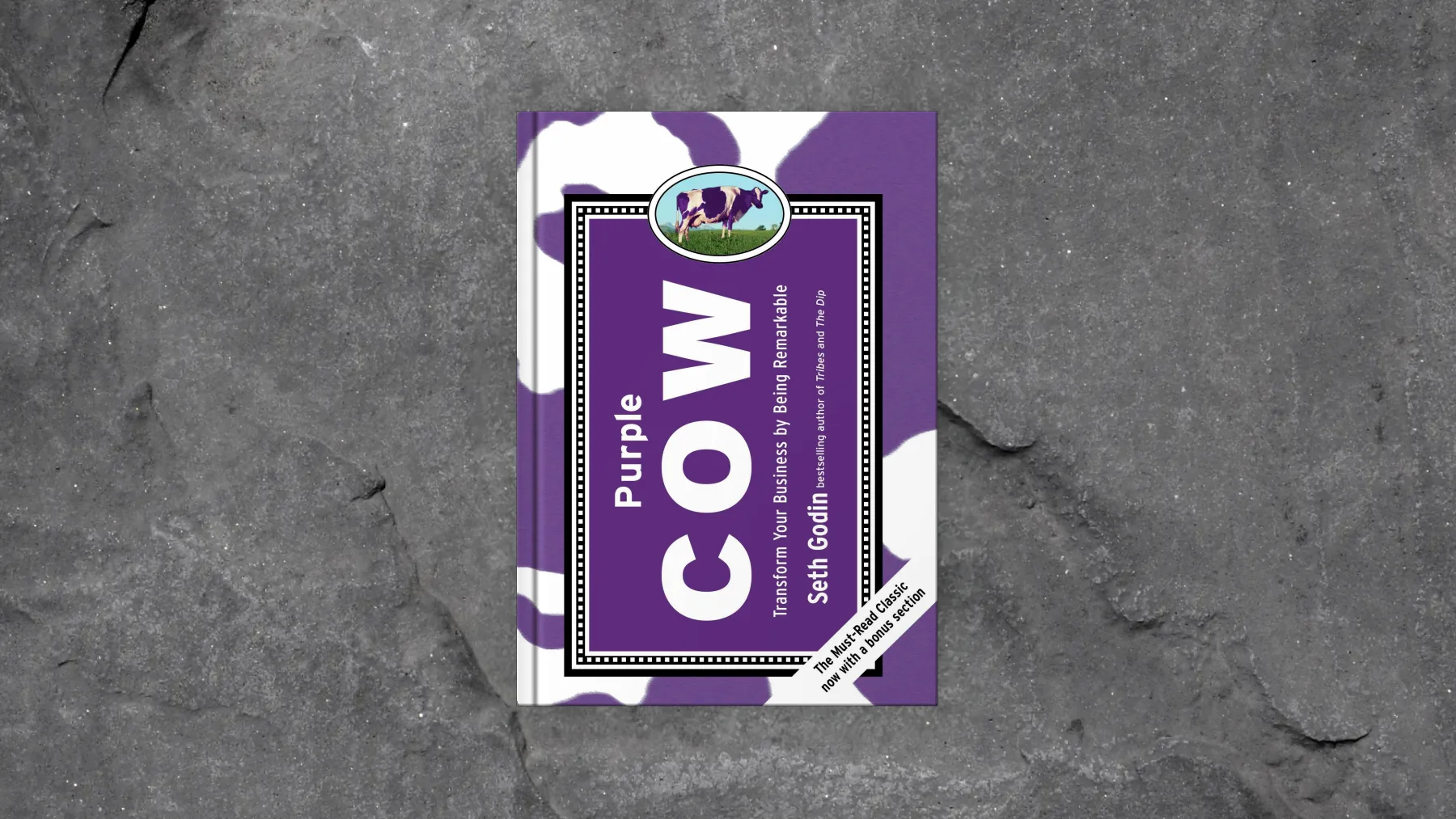
Drive past a field of brown cows and you’ll stop noticing them within a minute. A purple one, though, you’d tell people about. That simple image is the whole argument of Seth Godin’s Purple Cow.
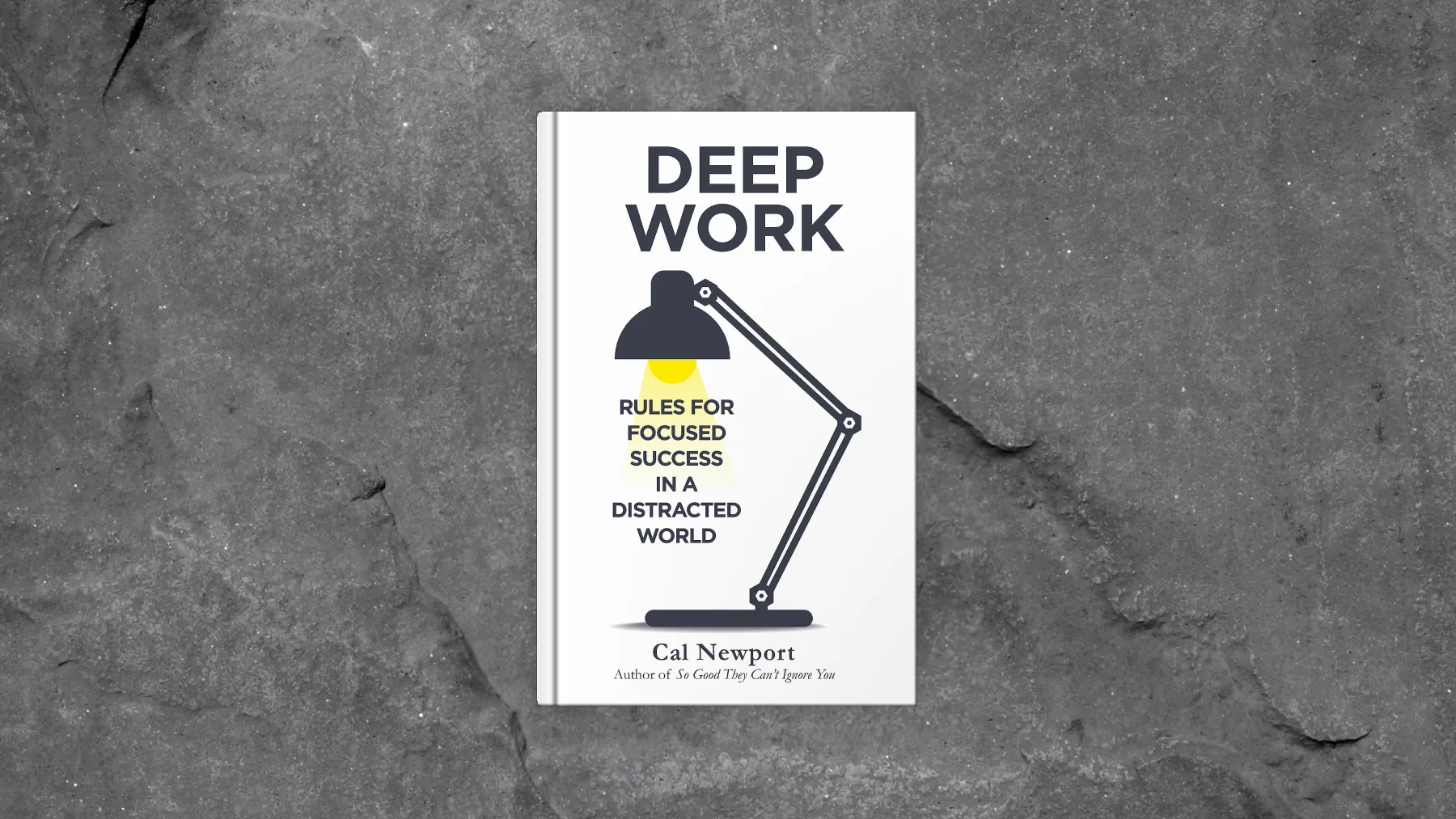
Emails, messages, meetings, notifications—the modern workday is built for distraction. In Deep Work, Cal Newport makes the case that the ability to focus without interruption is becoming both rarer and more valuable.
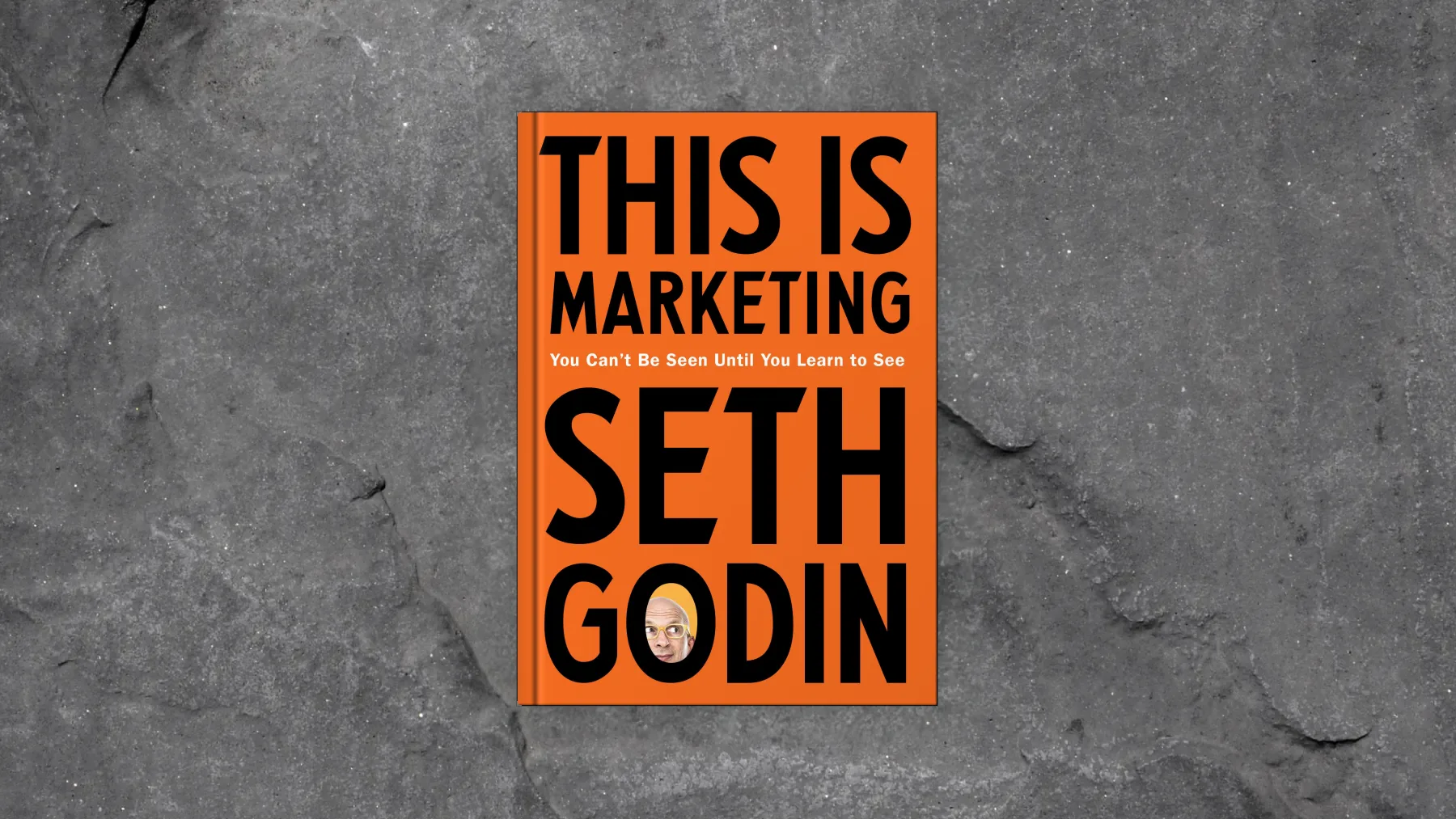
Seth Godin has been writing about marketing for decades, and This Is Marketing brings his thinking together in one place. It’s a book about marketing as an act of generosity—making change happen for the people you serve.
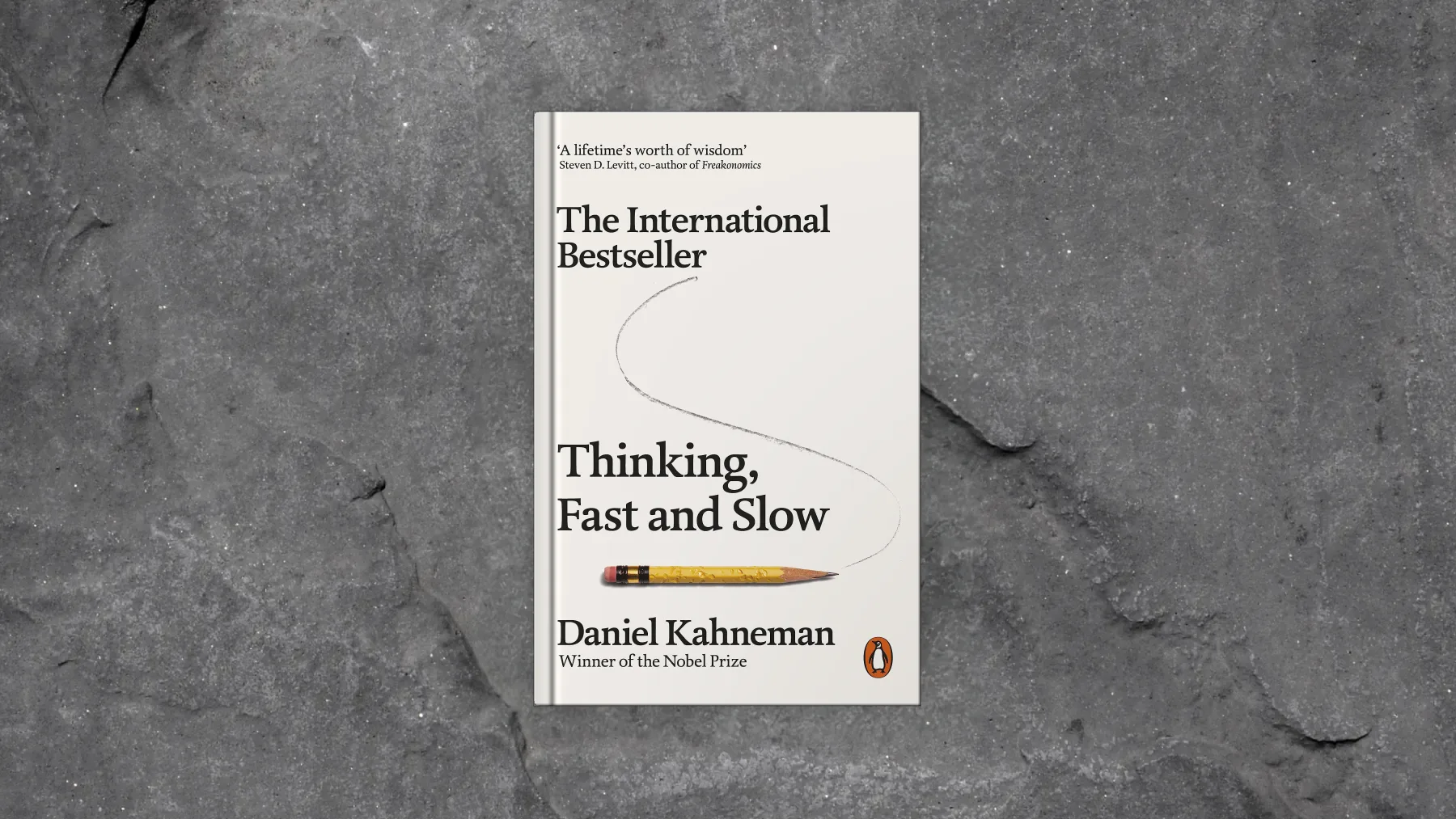
Daniel Kahneman won the Nobel Prize in Economics for his work on how people make decisions. Thinking, Fast and Slow brings decades of that research together in one extraordinary book.