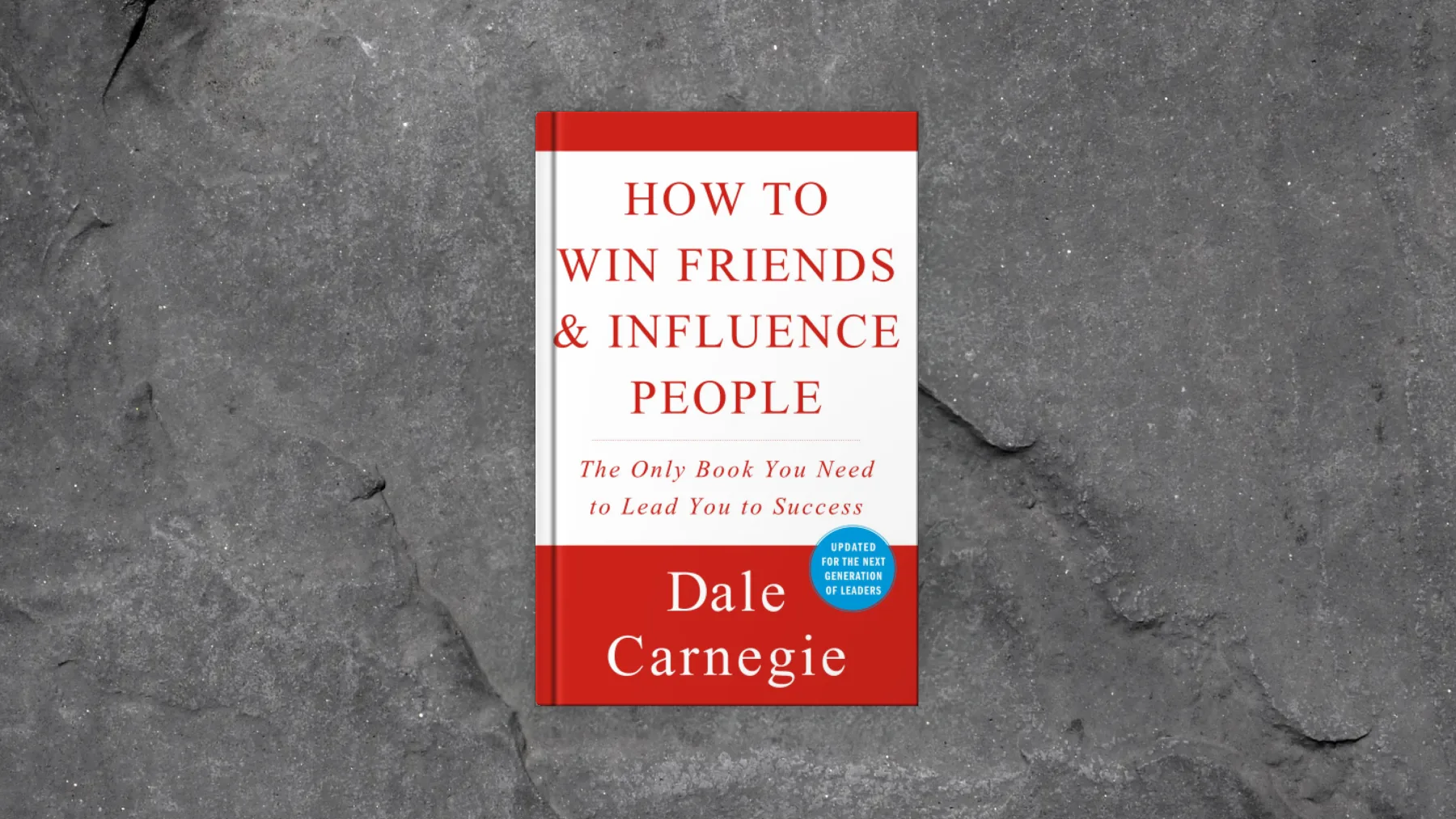
First published in 1936, Dale Carnegie’s How to Win Friends and Influence People has sold tens of millions of copies—and for good reason. It’s the original guide to getting on with people, and it’s never been more relevant.
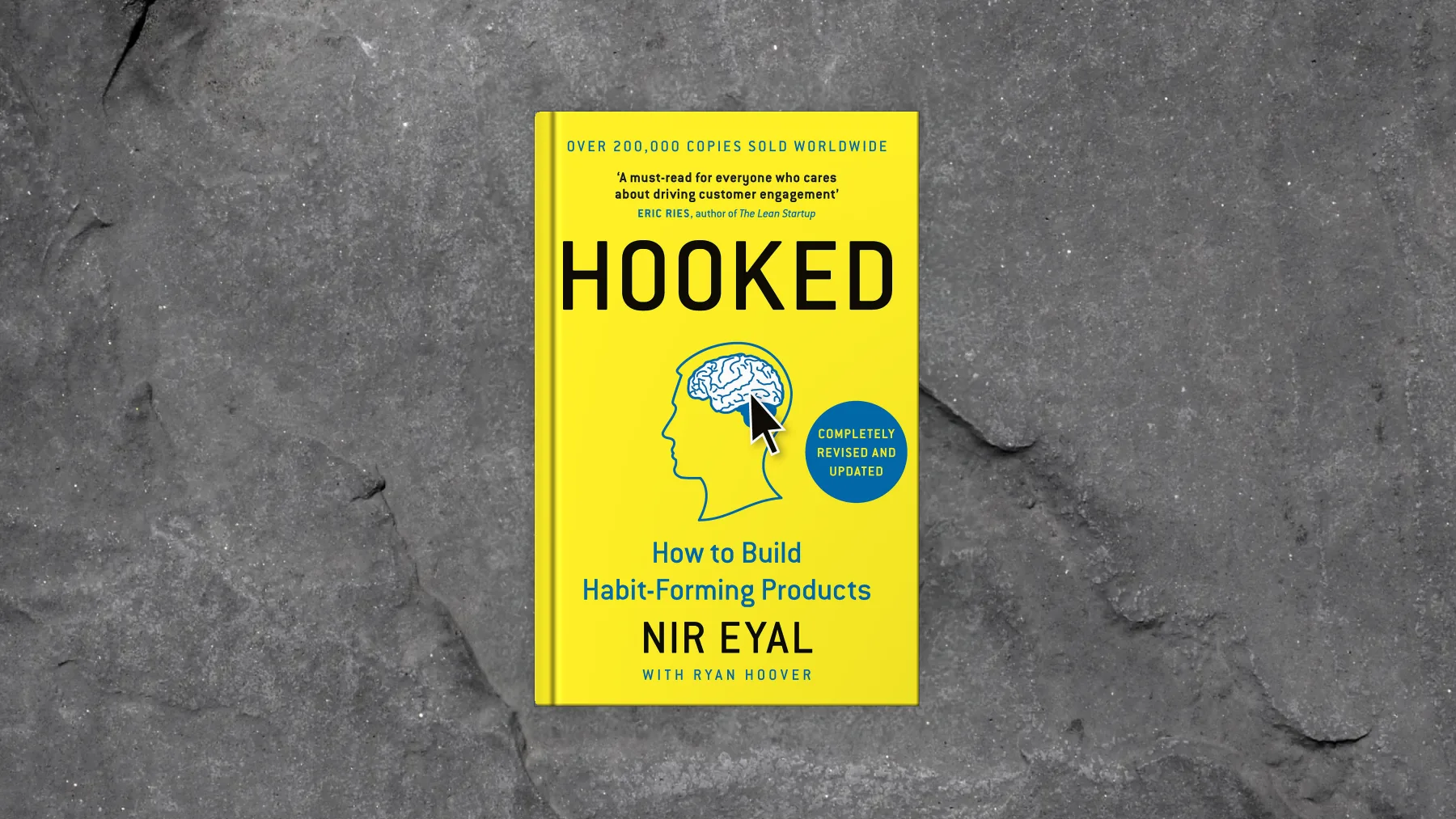
Why do we check certain apps dozens of times a day without thinking? In Hooked, Nir Eyal breaks down the pattern behind habit-forming products—and shows how to design your own.
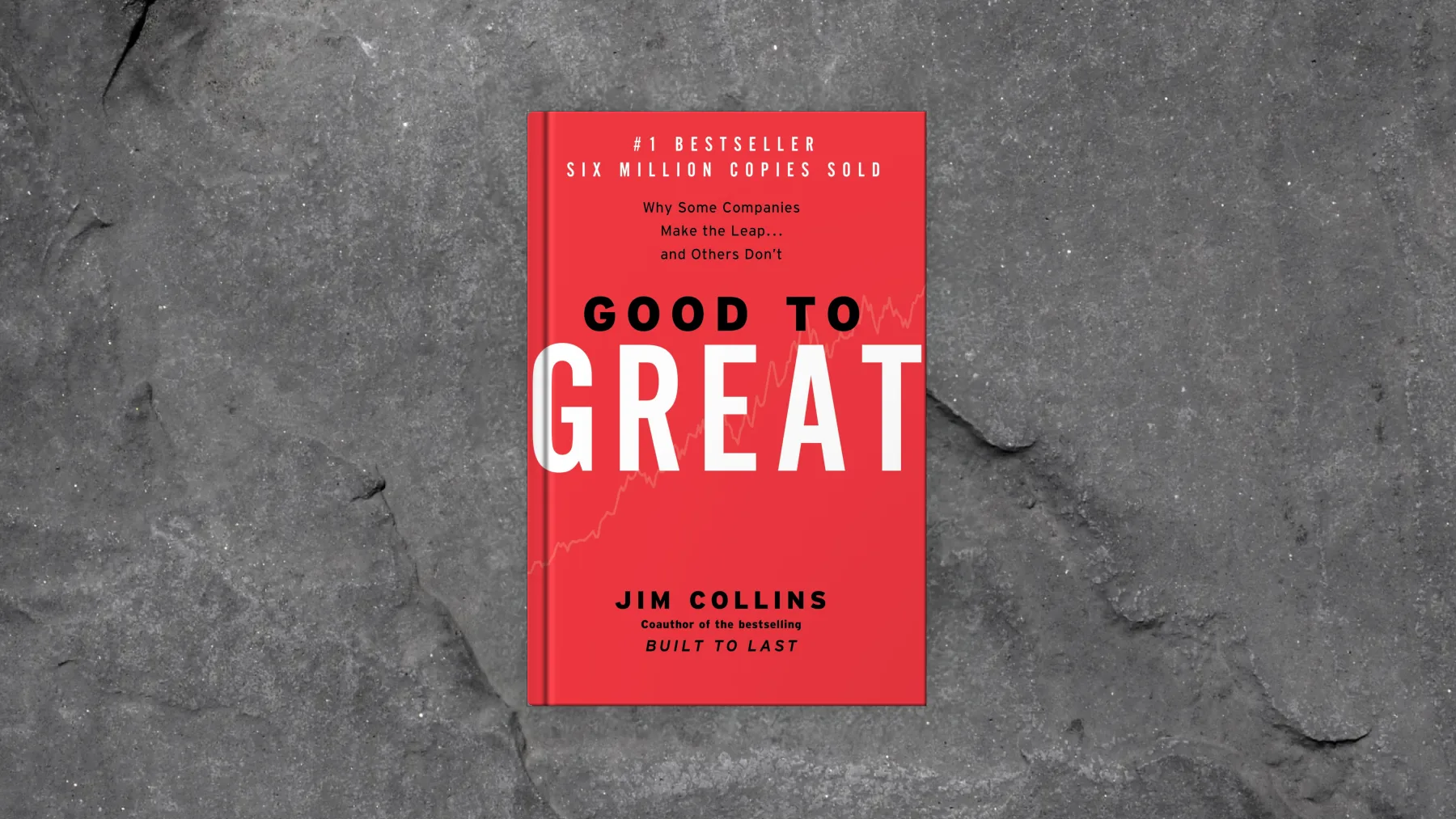
Jim Collins and his research team spent five years studying companies that went from ordinary to extraordinary—and stayed there. Good to Great is what they found.
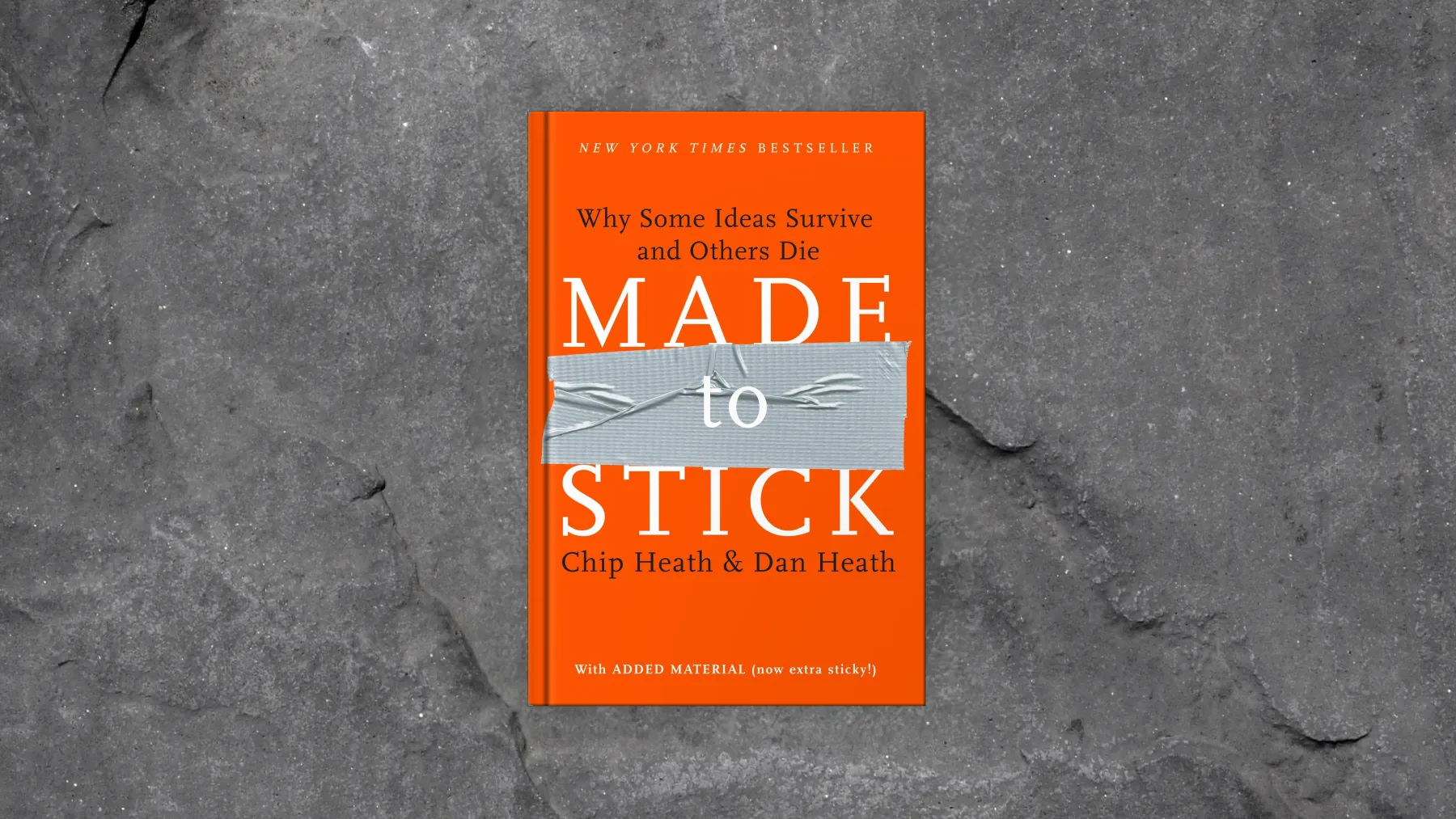
Every day, good ideas die because nobody remembers them. In Made to Stick, brothers Chip and Dan Heath set out to understand why urban legends spread effortlessly while important messages are forgotten in minutes.
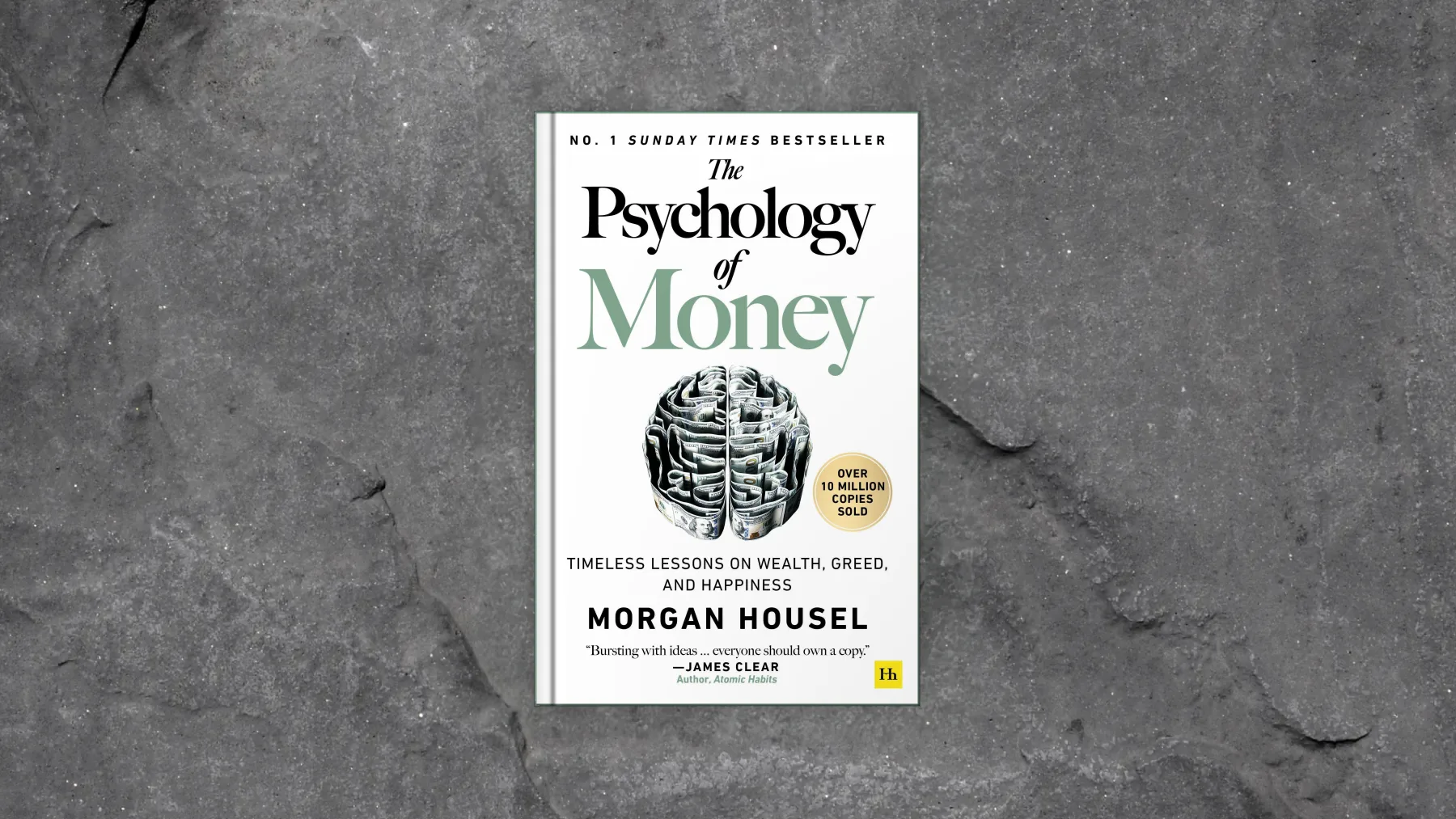
Morgan Housel’s The Psychology of Money isn’t a book about spreadsheets or stock tips. It’s about behaviour—the habits, fears and stories that shape every financial decision we make.
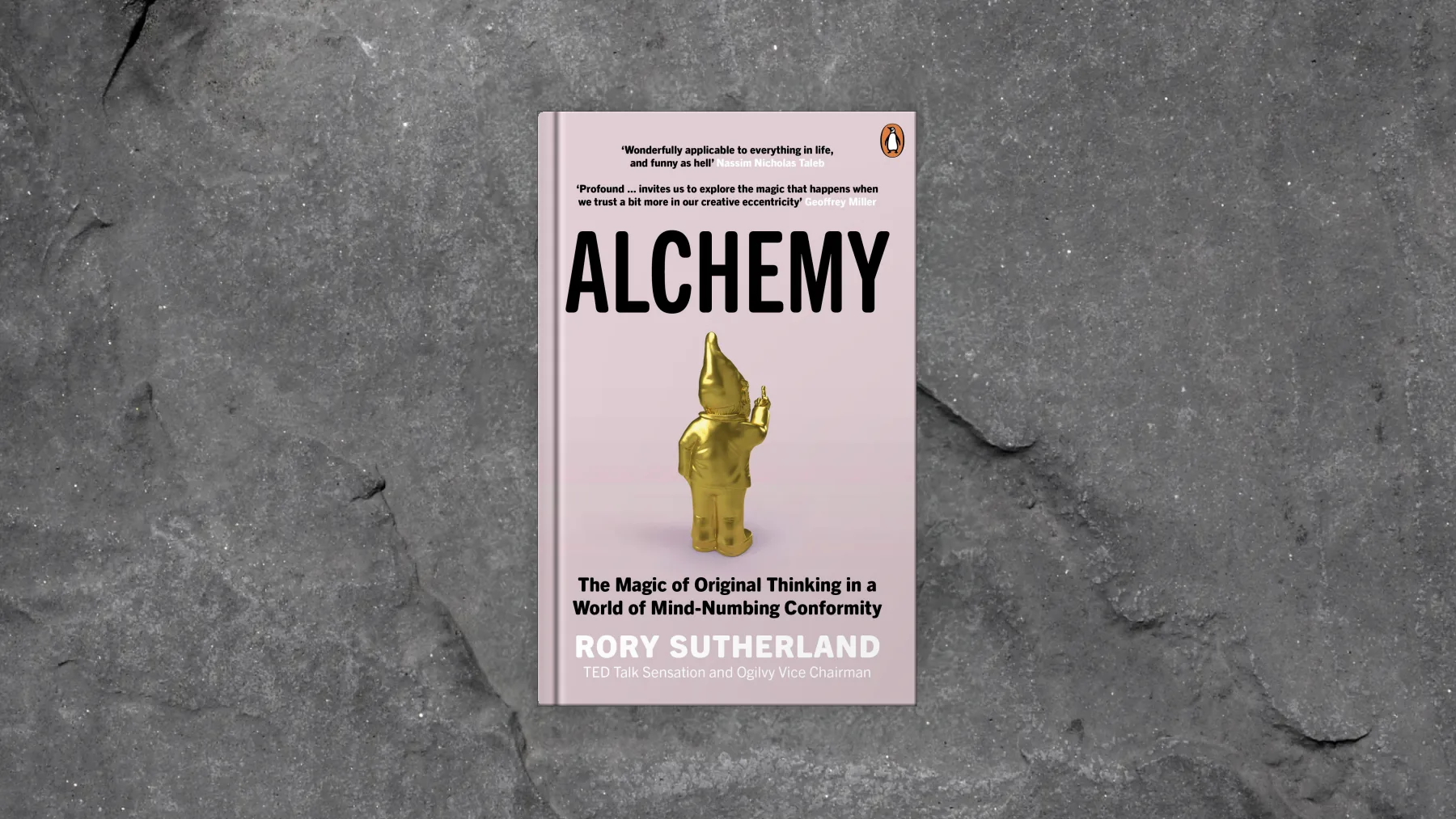
Rory Sutherland, Vice Chairman of Ogilvy UK, has spent a career noticing the strange ways people actually behave. In Alchemy, he argues that logic is overrated and that the most valuable ideas often make no rational sense at all.
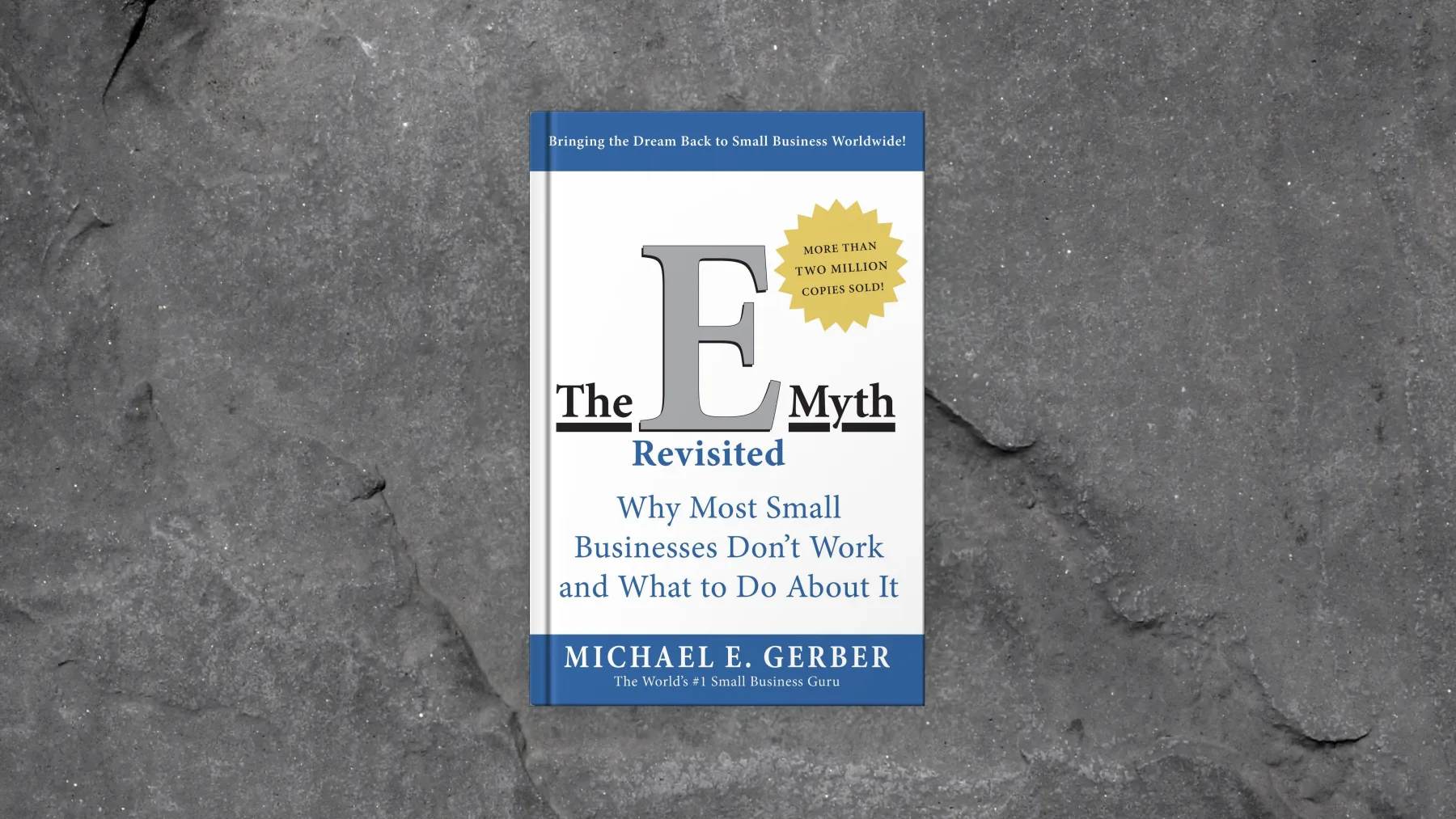
Michael Gerber’s The E-Myth Revisited tackles a myth that catches out countless business owners: that being good at the work means you’ll be good at running a business that does the work.
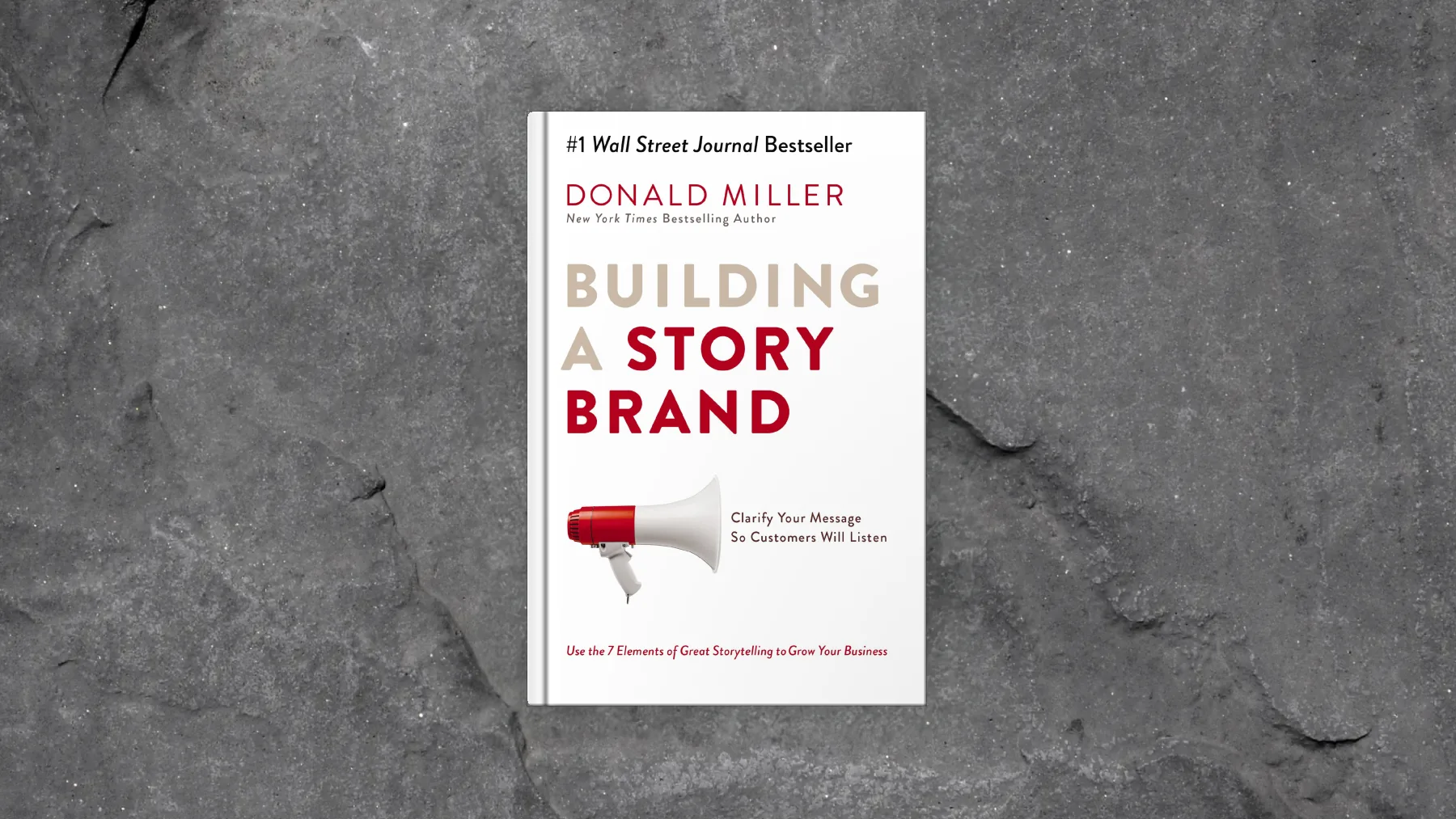
Most businesses have the same problem: they talk too much about themselves. In Building a StoryBrand, Donald Miller shows how to flip that around by borrowing the structure of every great story.
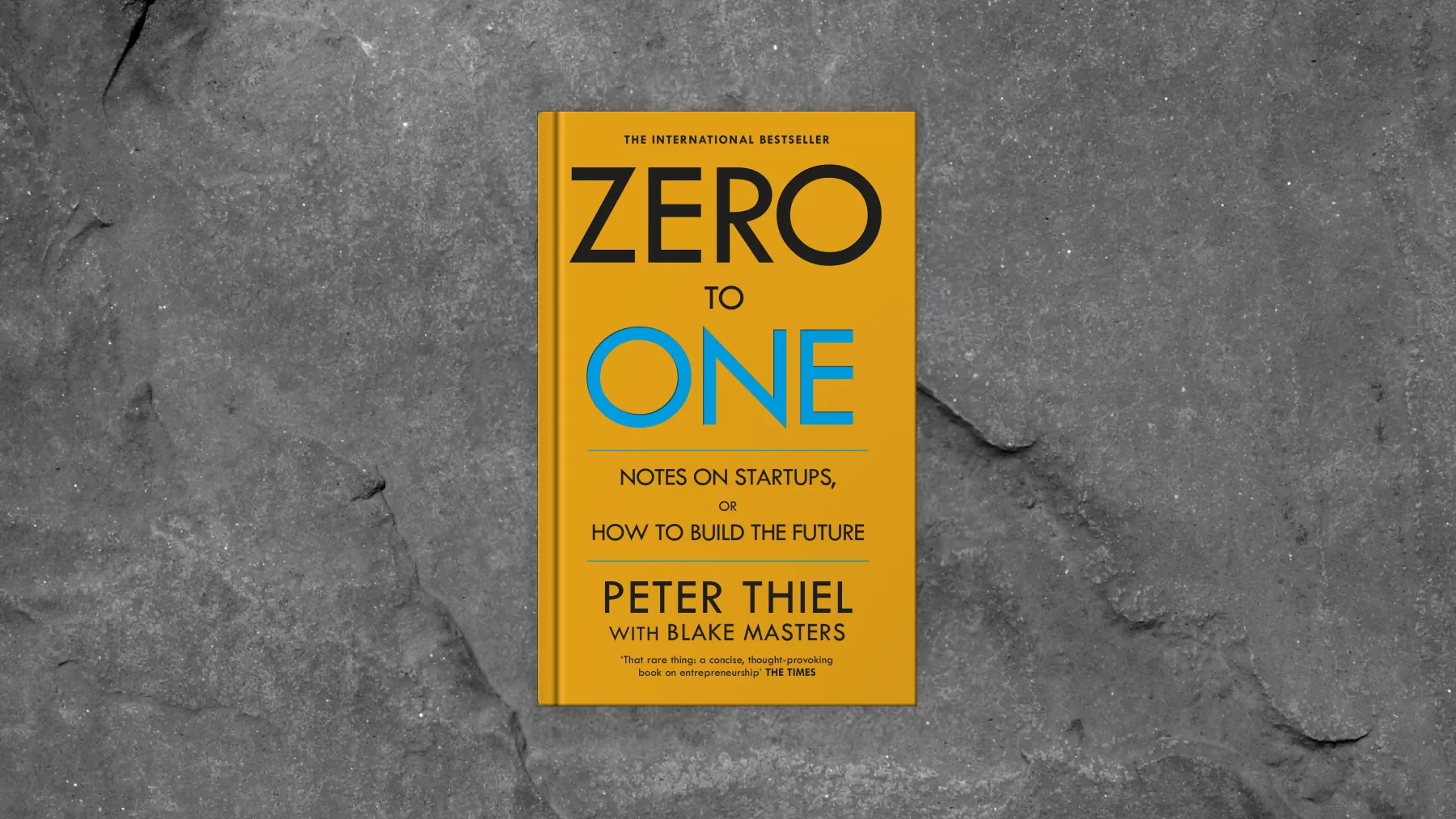
Peter Thiel co-founded PayPal and was the first outside investor in Facebook, so when he writes about building the future, it’s worth listening. Zero to One, written with Blake Masters, grew out of a class he taught at Stanford—and it reads like a provocation.