
Obviously Awesome By April Dunford

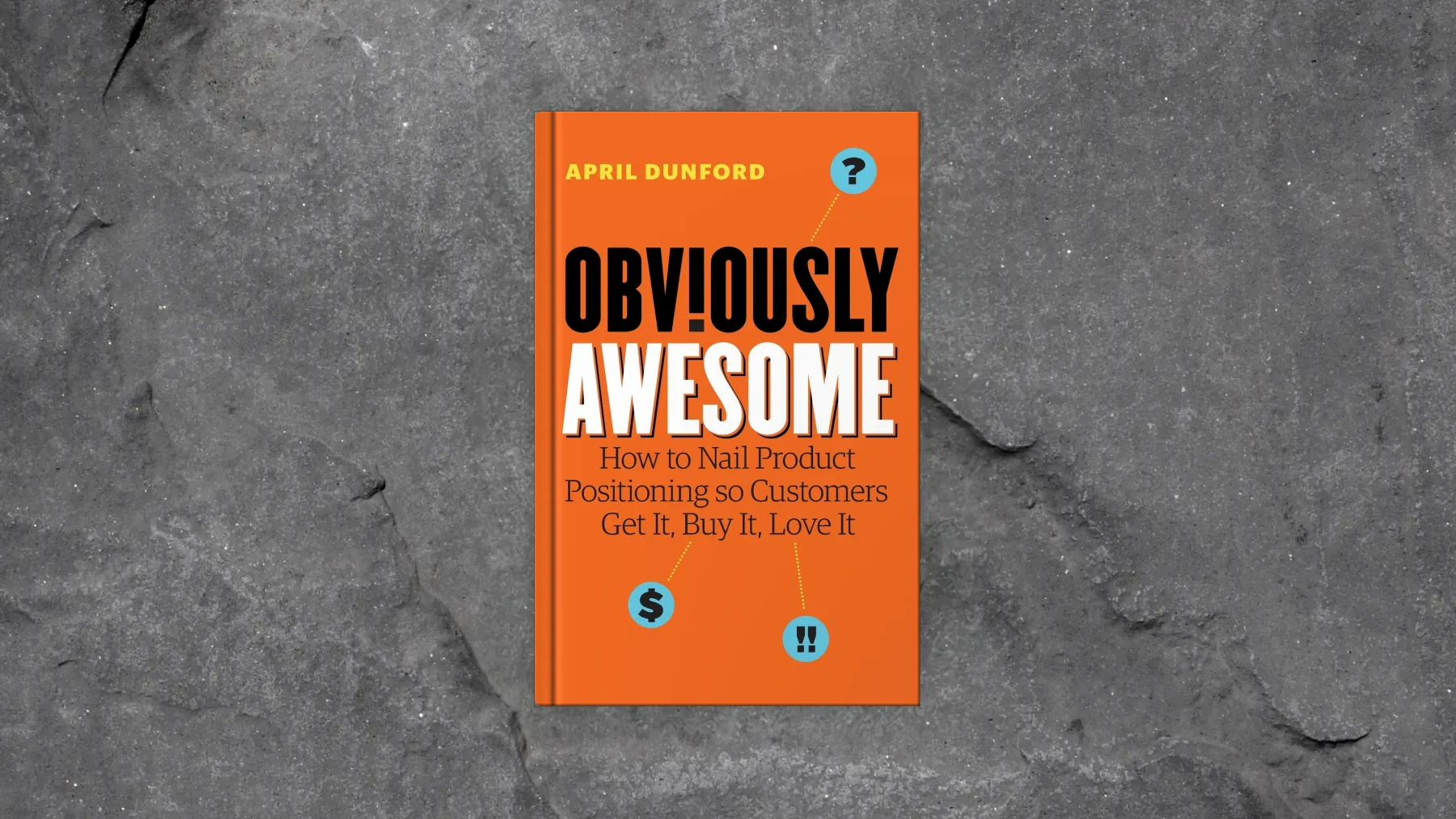
If people don’t get what you do, the problem might not be your product. April Dunford makes positioning practical.
Ever watched a prospect nod politely through a demo, then go quiet? April Dunford would say they didn’t understand what they were looking at. In Obviously Awesome, she explains why that happens and how to fix it.
Dunford spent years launching technology products before becoming a positioning consultant, and it shows. Her argument is that positioning is context. Customers judge a product against what they already know, so the frame you put around it decides whether it looks brilliant or baffling.
Rather than leaving positioning to instinct, she breaks it into five components—competitive alternatives, unique attributes, value, target customers and market category—and gives you a step-by-step process to work through them as a team.
Pivotal takeaways
- Start with the real alternatives. Your competition is whatever customers would do if you didn’t exist—often a spreadsheet, an intern or nothing at all.
- Features only matter through value. A unique attribute is worthless until you can say what it lets the customer do.
- Know who cares most. Find the customers who get the value fastest, and position for them first.
- Choose your category deliberately. The market you place yourself in sets expectations before anyone reads a word. Pick the one that makes your strengths obvious.
Why it’s a must-read
At Pivotal, we see the cost of fuzzy positioning every day. A website can be fast, beautiful and well built, and still fail because the message underneath it is unclear. Positioning comes first; copy, design and campaigns sit on top of it.
Dunford is refreshingly practical. She writes like someone who has sat in the awkward workshops and knows where they go wrong, and her process is one you can run with your own team.
It’s especially useful for anyone selling something new or complicated, where customers don’t yet have a box to put you in. Give them the right box and the rest gets easier. Most businesses underestimate how much work the right frame can do on its own.
Rating: ★★★★★
The most useful book on positioning we’ve read. Clear, honest and full of methods you can use straight away. Work through it with your team before your next rebrand or relaunch, and you’ll save yourself a lot of expensive guesswork.
Over to you. What would your customers do if your business didn’t exist? Share in the comments, and let’s work out who you’re really up against.