
Norfolk SEO Consultants: The Unsung Heroes of Search


First published in 2012, rewritten in 2026 so the advice holds today.
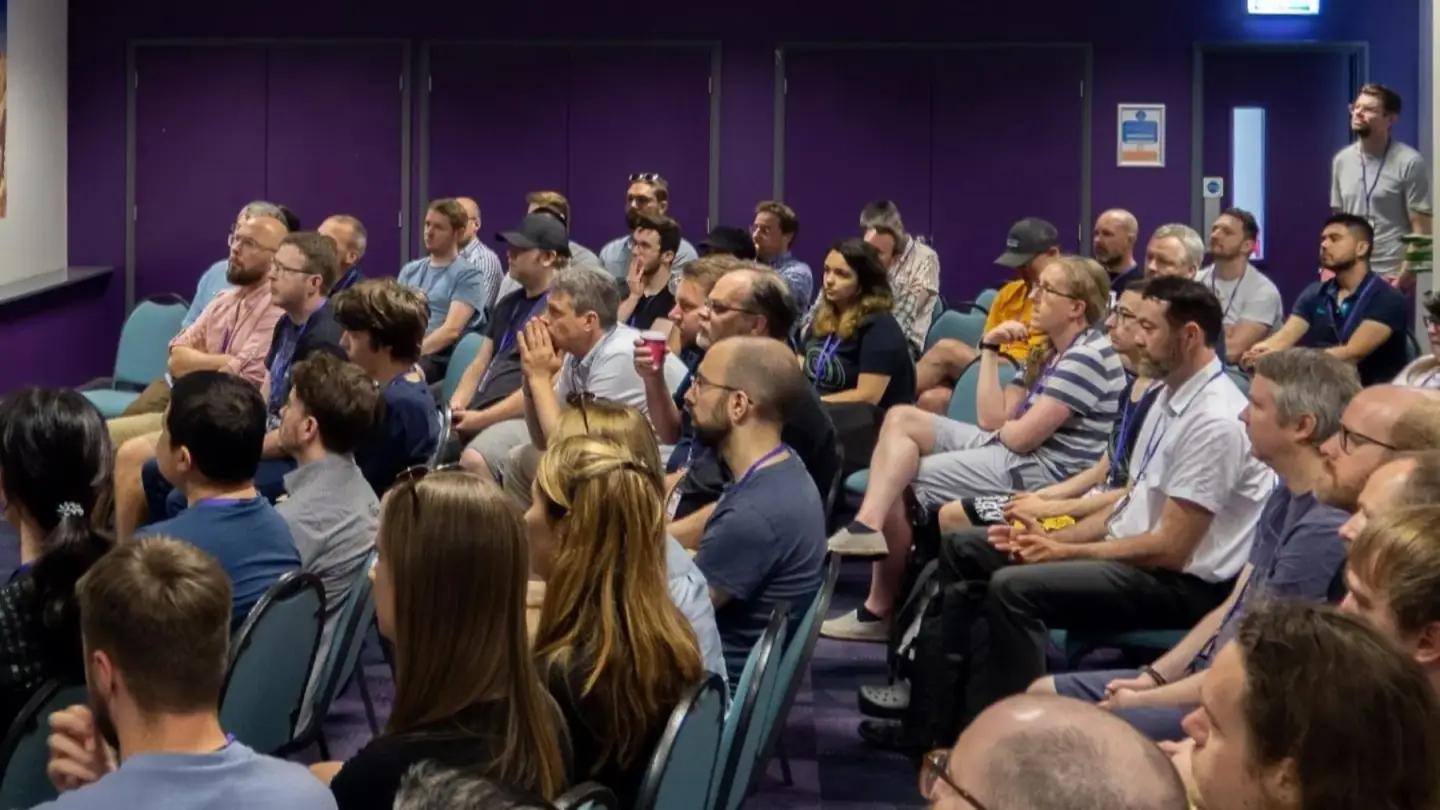
Norwich and the wider county have a genuine digital community, not just a handful of freelancers working alone. That matters when you're choosing who looks after your search visibility, because SEO in Norfolk isn't a one-agency market: it's a network of people who bump into each other regularly, compare notes, and get called out when they push bad advice.
Why Norfolk's SEO scene is worth taking seriously
The University of East Anglia feeds a steady stream of digital talent into local agencies and in-house teams. Community groups such as Sync Norwich and Norfolk Developers (NorDev) run regular meetups and the annual NorDevCon conference, historically held at The Kings Centre in Norwich, where technical specialists including SEO consultants trade knowledge outside of any single agency's interests. Norfolk County Council has also backed digital skills initiatives over the years, which has helped keep the local talent pool topped up.
That collaborative culture is the real advantage. A consultant who's active in that scene tends to know what's working right now, not what worked two algorithm updates ago.
What to look for in a local SEO consultant
Before you sign anyone, look at their own content. Read more than one piece: is it genuinely useful, or padded out to hit a word count? A consultant who can't write clearly for their own site is unlikely to write well for yours.
Check their track record too. Anyone using aggressive link-buying or keyword-stuffing tactics won't last long, because Google's spam systems catch up with them eventually, and any short-term ranking gain tends to unwind fast. As we put it back in 2012:
"If you don't know where you come from, then you don't know where you're going."
That's still true. A consultant with years of experience in your sector, and preferably in your region, has already seen how algorithm changes play out and can react to new ones faster than someone starting from scratch.
Myths that still need retiring
- SEO is a one-off job. It isn't. Search algorithms keep changing and so do your competitors, so it needs ongoing attention.
- More keywords is always better. Keyword stuffing still harms rankings and reads badly to actual customers. Use terms naturally, in content that's genuinely useful.
- Backlinks are a numbers game. A pile of low-quality links can trigger a penalty rather than a boost. A handful of relevant, reputable links beats hundreds of irrelevant ones.
Local search still starts with the basics
Location-qualified searches remain a huge share of how people find local businesses: someone moving to a new area typically searches for the service first and the place name second. If your site doesn't clearly target the areas you serve, you're invisible to that search.
Once someone lands on your site, make it effortless. Your address, phone number and opening hours should be visible within seconds, not buried behind extra clicks. Add anything that makes you more locally relevant: a menu if you're a restaurant, details of local offers, or news about events at your premises.
Google My Business was renamed Google Business Profile in 2021, but the underlying job hasn't changed: keep your listing accurate and complete, and collect and respond to reviews. A well-maintained profile still has an outsized effect on whether local customers find you in Maps and local search results before they ever reach your website.
The strategies that still hold up
- Keyword research that reflects how your actual customers search, not just industry jargon.
- Content that's genuinely useful, whether that's a blog post, video or guide, rather than content written purely to hit a keyword target.
- Backlinks from relevant, reputable sites, built through real relationships rather than bulk outreach.
- Structured data (schema markup) so search engines understand your business details correctly, particularly for local results.
- Joined-up marketing, where SEO, email and social work together rather than as separate projects.
One thing worth adding since 2012: AI-generated search summaries and chat-based search now sit alongside traditional results, and voice search has become mainstream through smart speakers and phone assistants. Clear, well-structured content that answers a question directly tends to do well in both, which is really an extension of writing well for people rather than a separate discipline.
None of this is complicated, but it takes consistent effort and someone who understands your sector and your patch. Norfolk's SEO consultants have the advantage of a genuinely collaborative local scene to draw on, but the fundamentals for choosing one haven't changed: check their own content, check their track record, and make sure they're building for the long term rather than chasing a quick ranking spike.
Related

What Are Shallow Links (and Should They Be Avoided)?
The debate regarding the potential value of ‘shallow’ backlinks has raged for some time, particularly when it comes to their impact on organic search marketing.

How to Avoid Google Business Profile Suspension (and Why You Must)
Running a small business can be challenging at the best of times. Irrespective of the niche in which you operate, contending with ferocious competition from all corners is the norm.

What Does ‘Evergreen’ SEO Mean?
The biggest problem with SEO is the way in which Google is continuously moving the goalposts. Whether you run an ecommerce business or simply promote your brand with a website, getting found in the first place is the ultimate challenge.