
Why Your Content Isn't Converting

First published in 2014, rewritten in 2026 so the advice holds today.
Content that doesn't help convert readers is filler. It doesn't matter how well written it is, how much keyword research went into it, or how long it took to produce. If it isn't moving people towards a purchase, a sign-up or an enquiry, it's costing you money rather than making you any.
This is why it's still so common to find websites where the content has clearly been bulked out for the sake of it. Word count went up. Conversions didn't. If you're paying for content, whether that's product copy, blog posts or landing pages, and it isn't earning its keep, it's a waste regardless of how cheaply it was produced.
Five reasons content fails to convert
Most underperforming content falls into one of these traps.
- It isn't current. Readers can tell when a page hasn't been touched in years. Dated pricing, old screenshots, references to services you no longer offer or events long past all signal neglect. Nobody converts on a page that feels abandoned.
- It isn't relevant. If you're supposed to be the authority on your subject, stay on it. Padding a page with tangents to hit a word count dilutes the point you're actually trying to make.
- It's regurgitated. Content lifted or lightly reworded from competitors or other sites tells readers, and search engines, that you have nothing original to say. That undermines trust and authority.
- The quality is flawed. Spelling mistakes, poor grammar and clumsy phrasing all chip away at credibility. If you want to be trusted with someone's money, the basics need to be right.
- There's too much of it. Readers won't wade through several hundred words to find the one line that answers their question. If they can't find it quickly, they'll go elsewhere and buy from whoever made it easier.
What's changed since this advice was first useful
The fundamentals above haven't moved. What has changed is how much less patience both readers and search engines have for content that fails them.
Google's helpful content guidance, folded into its core ranking systems since 2023, actively penalises pages written to attract search traffic rather than to serve a real reader. Thin, recycled or padded content is now a ranking risk as well as a conversion problem.
AI-generated overviews and chat-style answers, which now sit above traditional search results for many queries, mean generic content is more likely to get summarised and skipped than clicked. The pages that still earn a click are the ones offering something an AI summary can't: specific detail, a clear opinion, real product knowledge, or proof that a human with actual experience wrote it.
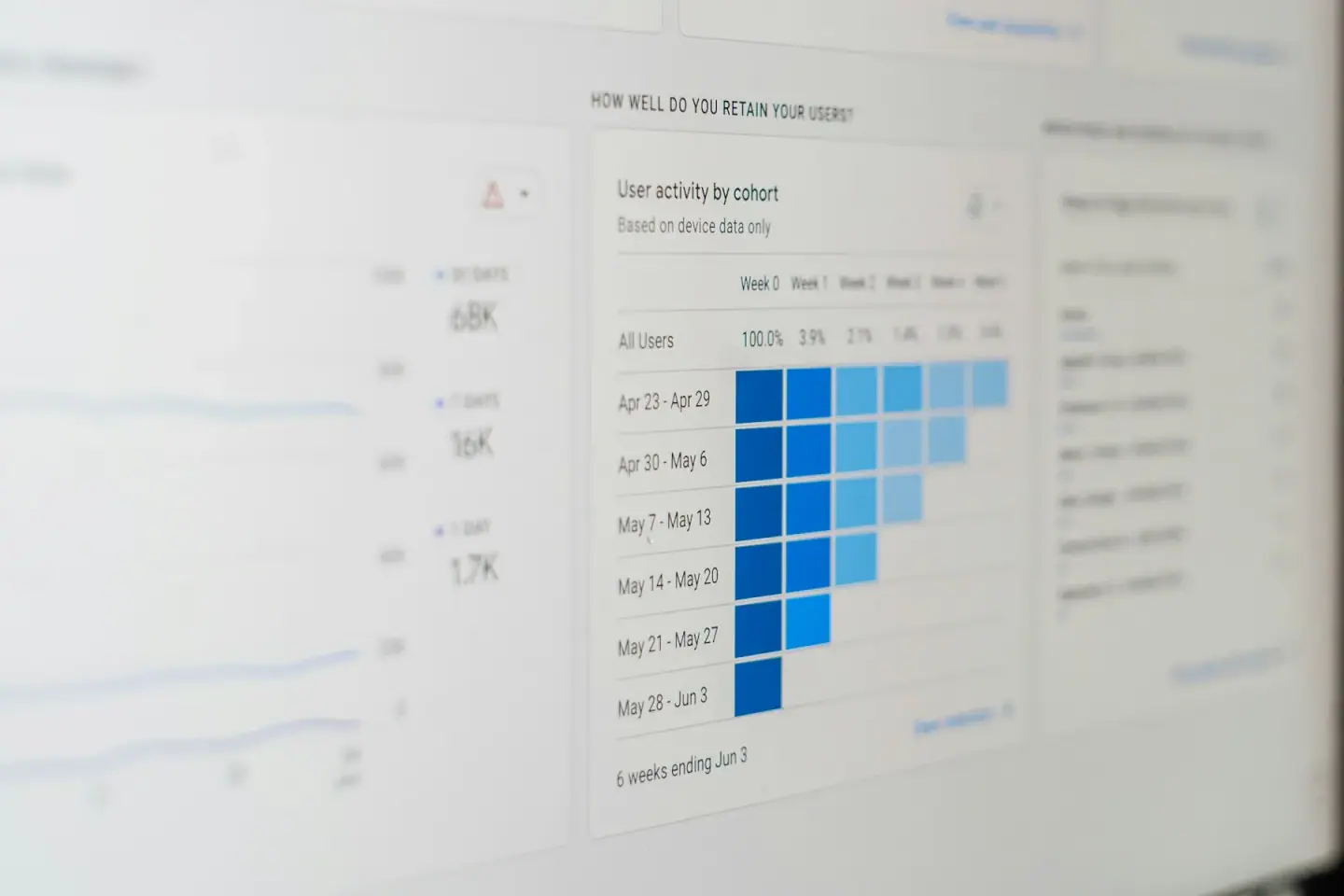
If you're still measuring content performance in Universal Analytics, stop. It was retired in 2023. GA4 is the baseline now, and it's worth setting up proper conversion events (purchases, enquiries, sign-ups) against individual pages, not just tracking pageviews and calling it success.
How to fix underperforming content
- Audit your top landing pages and blog posts against traffic and conversion data in GA4. Anything with high traffic and no conversions needs rewriting or removing.
- Cut anything past its use-by date. Old dates, outdated claims and superseded offers should be updated or the page retired.
- Write to answer one specific question per page, in the fewest words that do it properly. Long isn't the same as useful.
- Make sure the person or business behind the content is credible and identifiable. Author bios, real product experience and specific detail all help against both readers and Google's trust signals.
- Proofread properly. It's the cheapest fix on this list and still the most commonly skipped.
The takeaway
Content on a commercial website has one job: to move a reader closer to a decision. If a page isn't doing that, no amount of polish or padding will save it. Audit what you've got, be honest about what's dated, thin or copied, and rewrite or remove it. The pages that convert are usually the shortest, most specific and most obviously written by someone who knows the subject.