
Pivotal at Performance Manchester

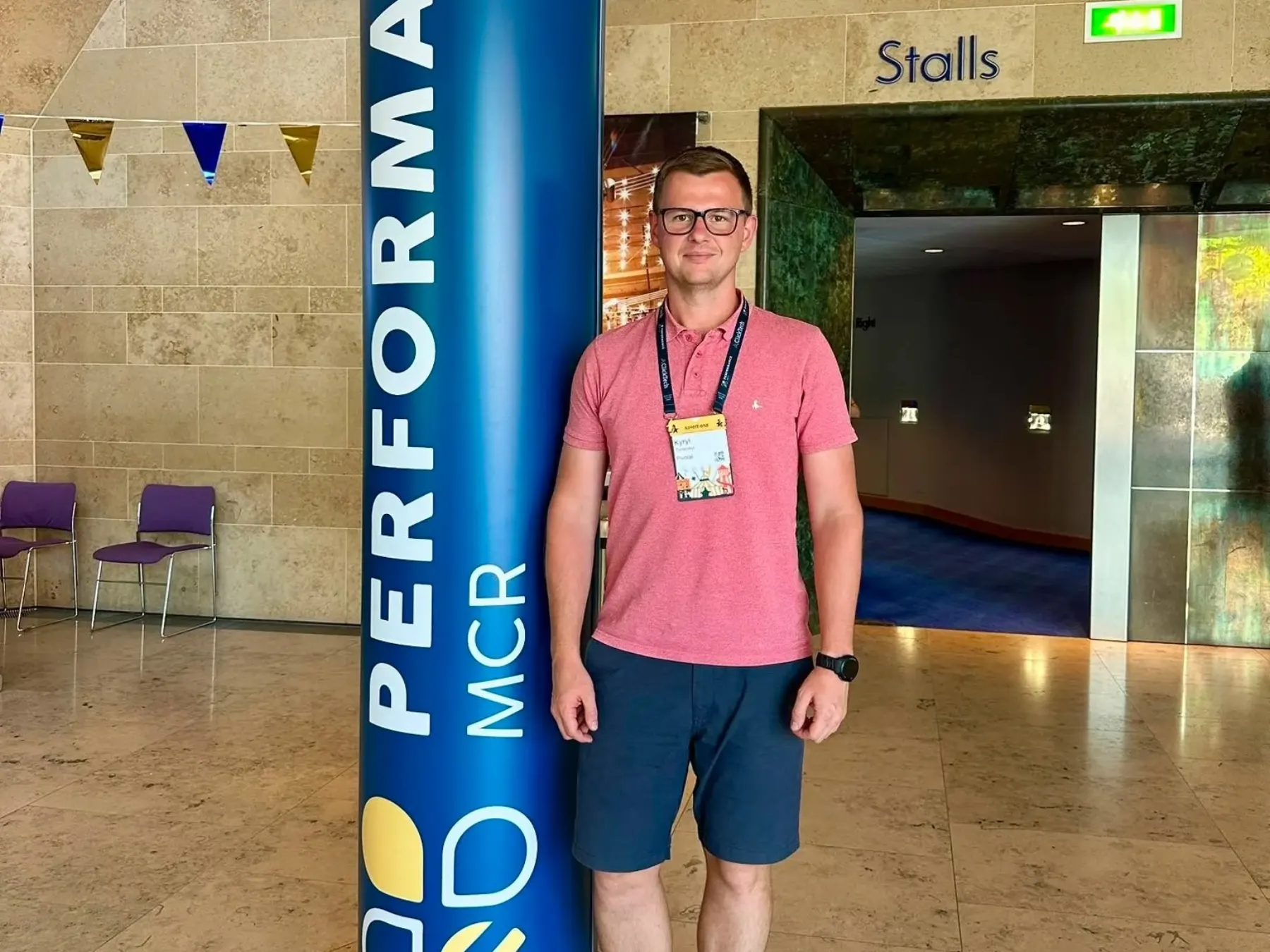
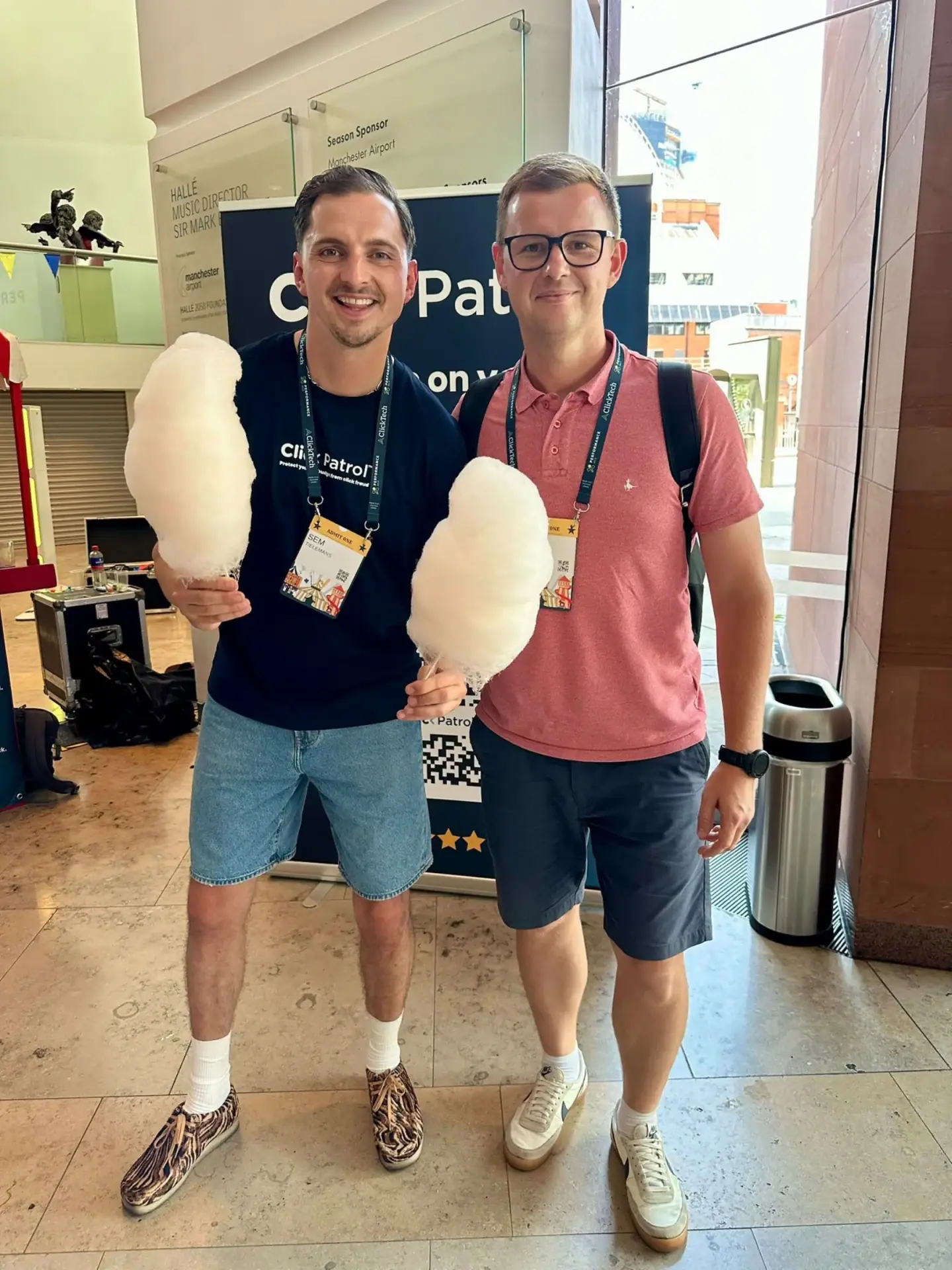
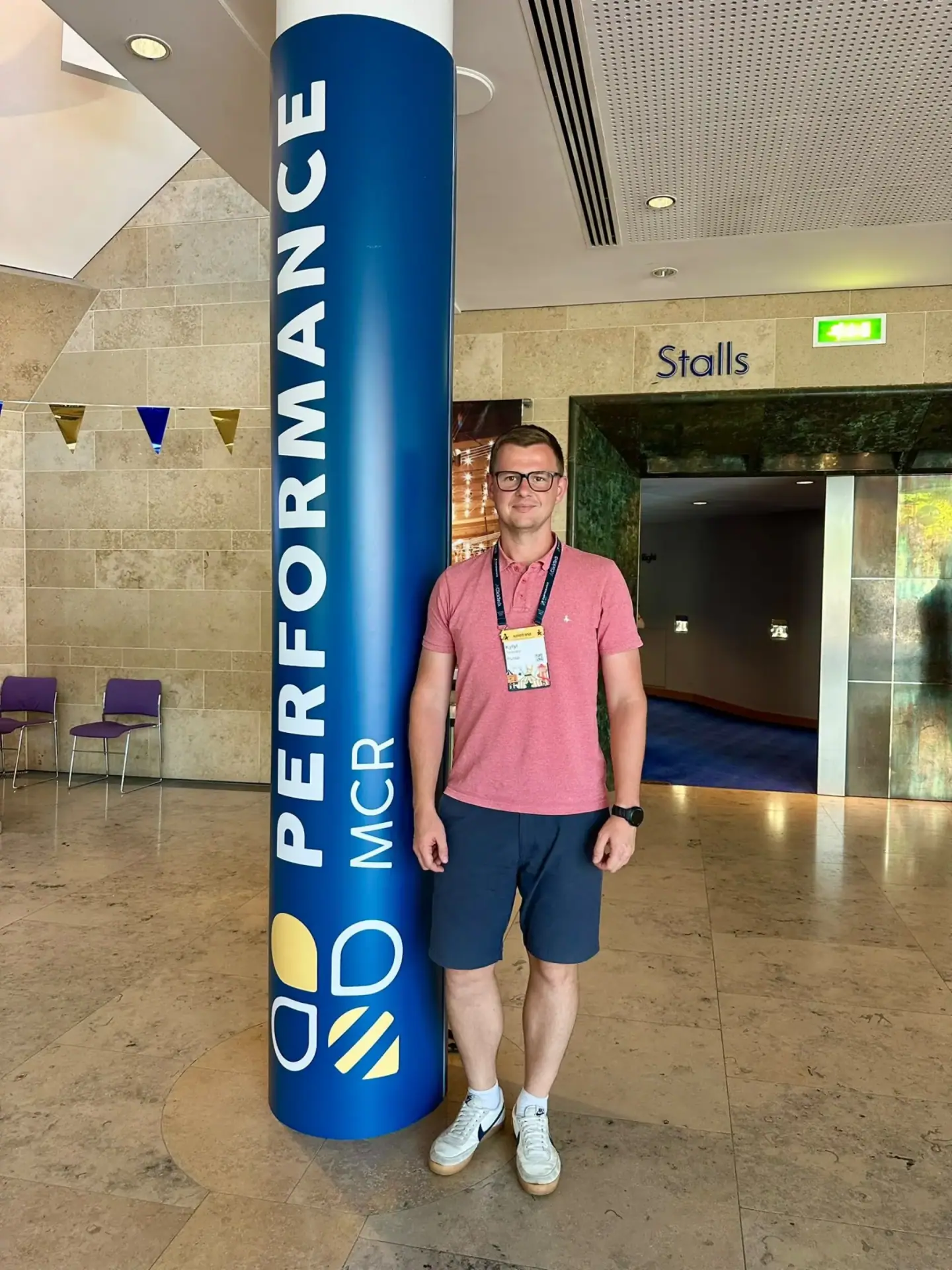
Last Week, Kyryl, our Senior Paid Marketing Specialist, travelled to Manchester for Performance MCR, a full-day conference focused on paid media, performance marketing and the future of digital advertising.
Despite arriving in the middle of a very hot June heatwave, the day brought together some of the sharpest practitioners in the industry for practical, honest and useful conversations about what is changing across Google Ads, Meta, AI, measurement and creative strategy.
For us, events like this are valuable because they give the team time to step outside of day-to-day account management and look at the bigger shifts shaping how brands grow online.
A Practical Day for Paid Media Specialists
Performance MCR stood out because of its focus on actionable paid media content.
Rather than broad trends or platform-led sales pitches, the sessions focused on what practitioners are seeing inside accounts. From AI-powered campaign types to measurement challenges and channel diversification, the agenda covered many of the conversations we are already having with clients.
The key theme running throughout the day was clear: paid media is not becoming less important, but it is becoming more complex.
Success now depends on understanding how automation behaves, how platforms report performance, and how creative, data and strategy work together.
AI, Automation and Google Ads
One of the biggest topics of the day was the increasing role of AI and automation inside Google Ads.
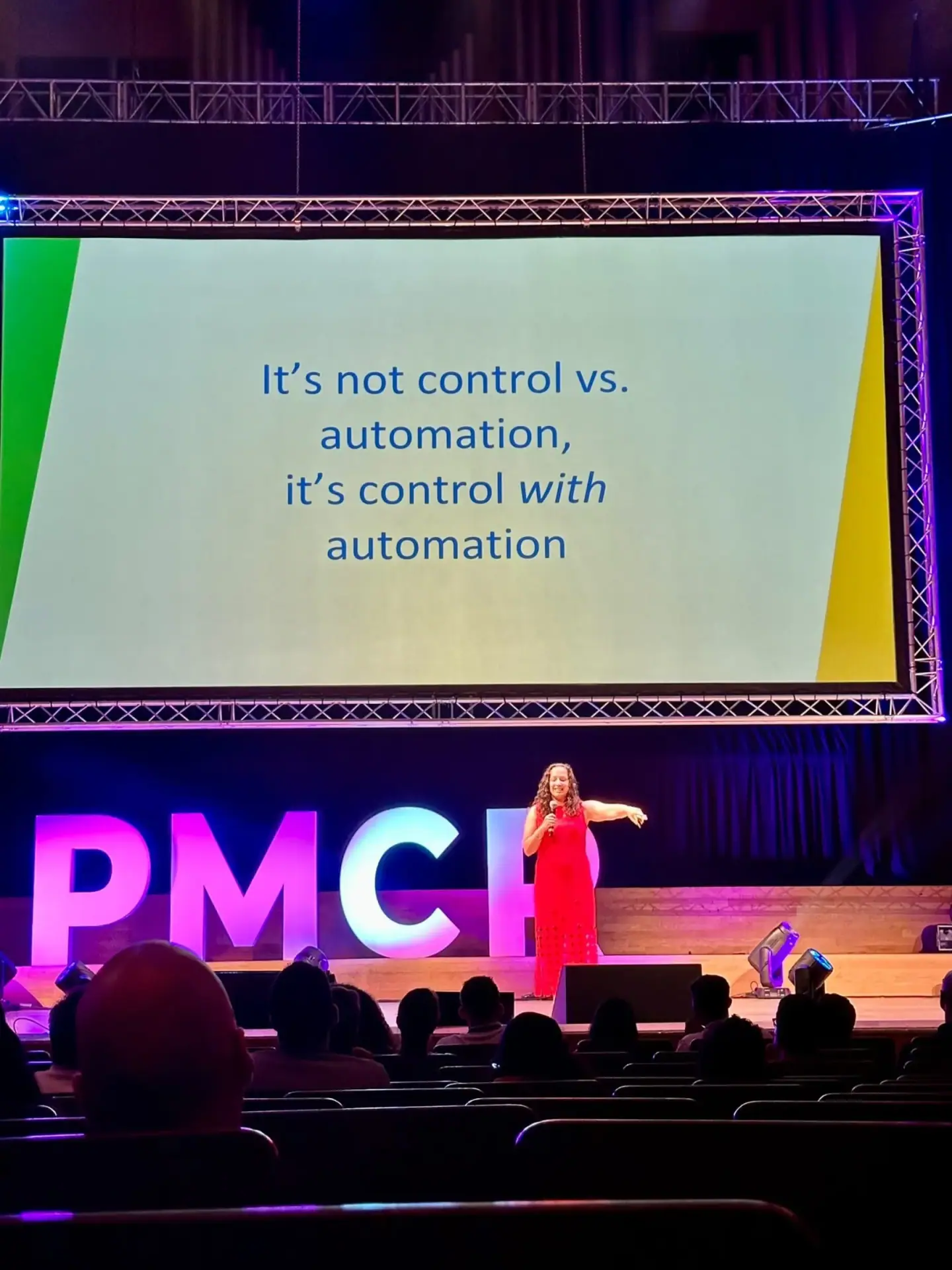
The discussions around AI Max explored how advertisers can still influence outcomes through the right setup, controls and monitoring. The key takeaway was that automation does not mean handing over full control.
AI-led campaign tools can be powerful, but they still need structure, clear inputs and ongoing human judgement. For performance teams, this means understanding not only how to launch AI-driven campaigns, but how to guide them properly.
Another session challenged the narrative that Google Ads is becoming less effective. The opportunity is still there, but the approach has changed. Bidding, targeting, creative and measurement all need to adapt to a more AI-driven environment.
For clients, this is an important message. A drop in performance is not always a sign that the channel no longer works. It may be a sign that the strategy needs to evolve.
Rethinking Measurement
Measurement was another major talking point.
One session challenged the idea that GA4 should be treated as the single source of truth for marketing performance. While GA4 remains a useful reporting tool, attribution limitations can create a distorted view of what is really driving growth.
The discussion around econometric modelling and marketing mix modelling was particularly relevant for brands with more mature marketing activity.
For businesses investing across multiple channels, relying only on last-click or platform-level reporting can make it harder to understand true commercial impact. A more rounded approach to measurement can help brands make better decisions about where to invest, what to scale and what to test next.
When Google and Meta Start to Plateau
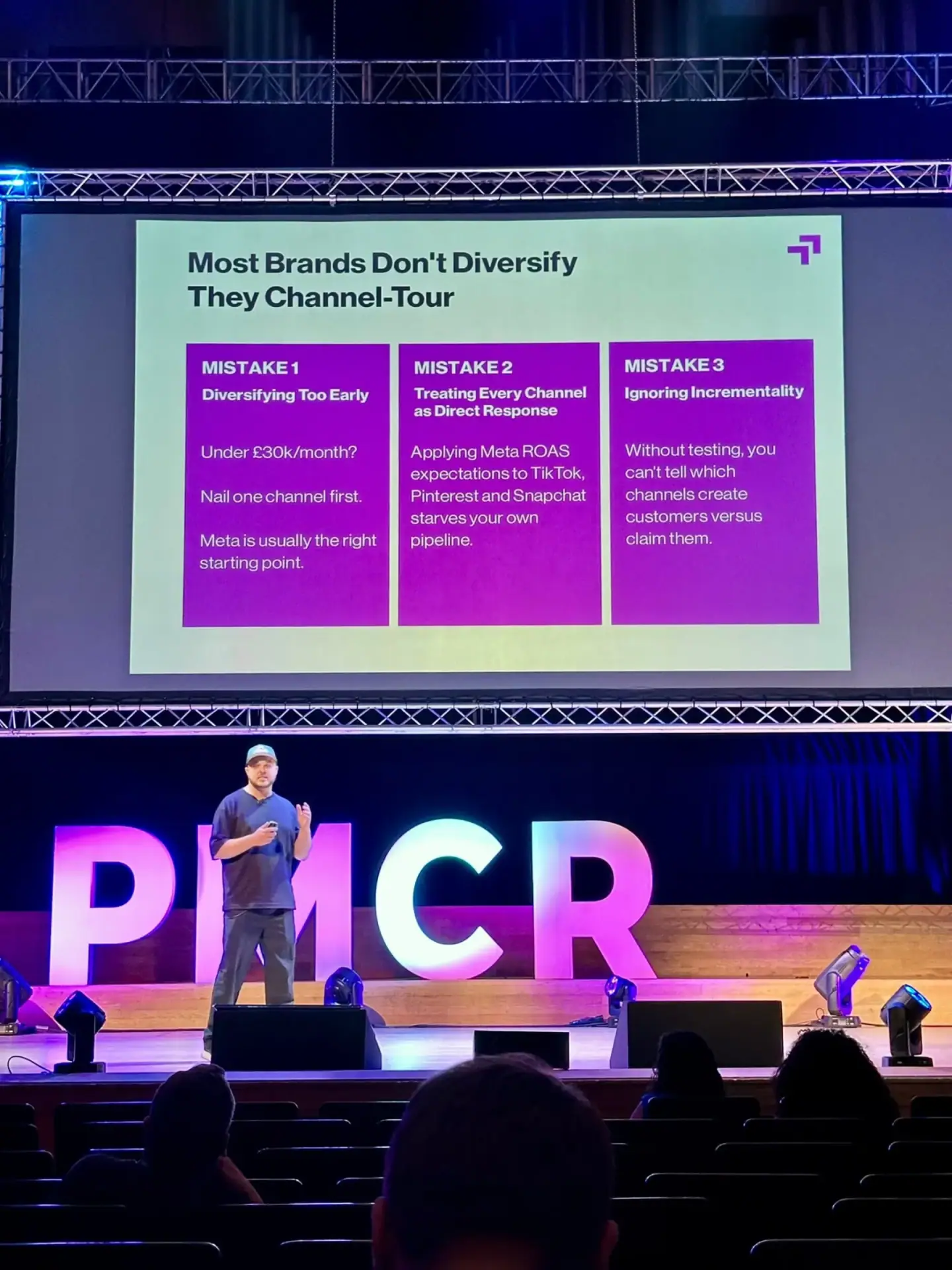
Another important theme was channel diversification.
Many brands reach a point where growth across Google and Meta starts to slow. CPCs rise, audiences become saturated and performance becomes harder to improve through optimisation alone.
The discussion focused on how to spot those plateau signals and how to approach new paid channels without wasting budget.
For ecommerce brands especially, diversification should not mean testing everything at once. It should mean identifying where there is a genuine opportunity, setting clear expectations and building tests with enough structure to learn from them properly.
Being Bolder with Creative
Meta creative strategy was another area that sparked useful thinking.
One of the strongest messages from the day was that many brands are still too cautious with their creative approach. The brands seeing the biggest wins are often the ones willing to test bolder concepts, move faster and give creative teams more room to experiment.
This is something we see regularly across paid social.
Meta performance is not only about audience targeting or campaign structure. Creative plays a major role in whether campaigns cut through, hold attention and convert. When brands play it too safe, they often limit the potential of the channel.
A Book Club Moment
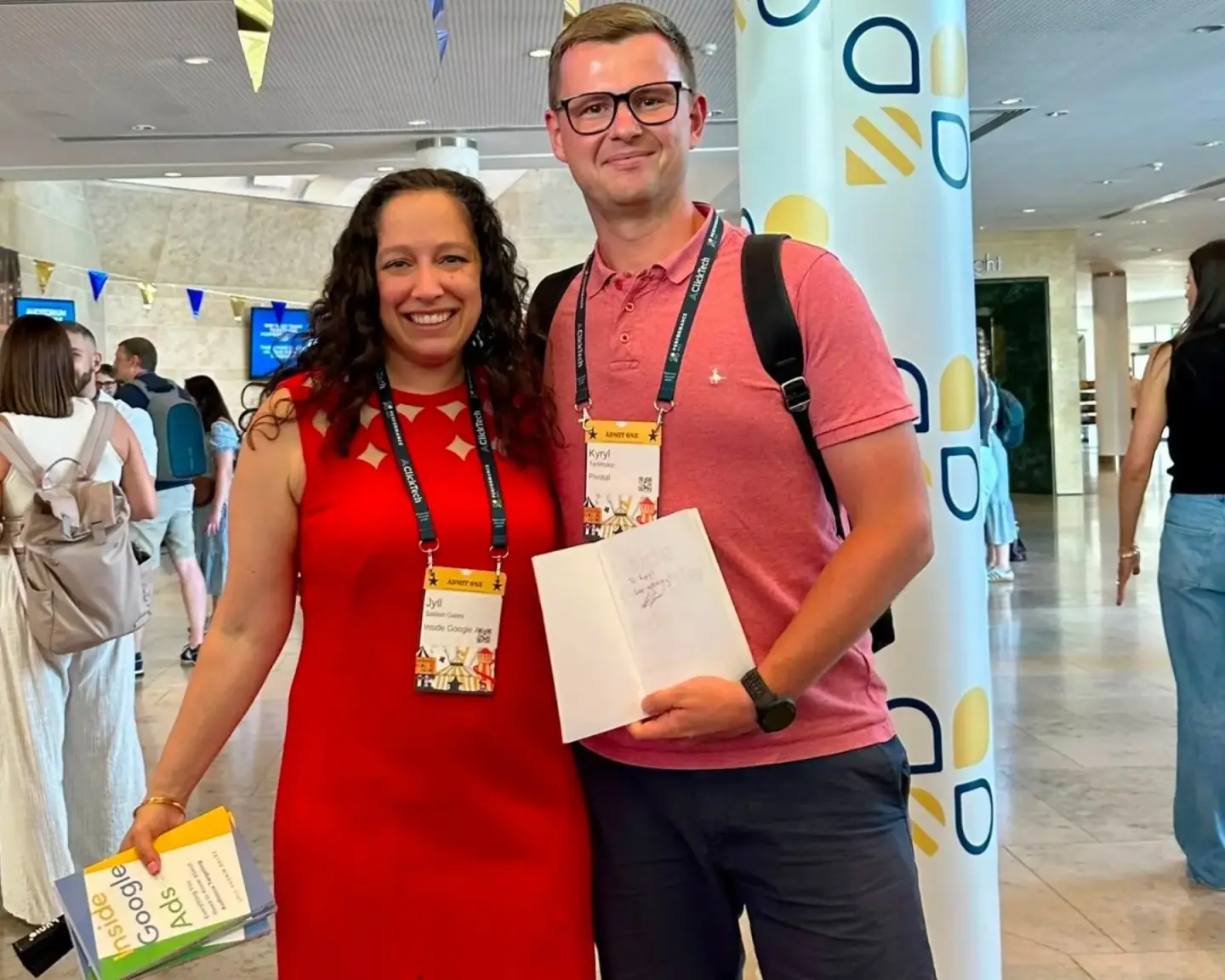
One of the smaller but memorable moments from the day was Kyryl getting his copy of Inside Google Ads: Everything You Need to Know About Audience Targeting signed by Jyll Saskin Gales.
The book had been provided by Pivotal as part of our internal book club, which gives the team space to keep learning, sharing ideas and developing their expertise beyond day-to-day client work.
For Kyryl, getting the book signed after hearing Jyll speak at Performance MCR was a nice full-circle moment. It also reflected one of the bigger themes from the day: the importance of staying curious, continuing to learn and keeping pace with an industry that never stands still.
The Value of Experimentation
The final key takeaway was a reminder that the best marketers still play.
In an industry increasingly shaped by automation, pressure and performance targets, curiosity remains one of the most valuable skills a marketer can have.
The strongest results often come from teams that keep testing, questioning and exploring, rather than only optimising what already exists. For paid media, that could mean testing a new creative direction, trialling a different measurement approach, exploring a new channel or challenging assumptions about what has worked in the past.
Small, structured experiments can compound over time and create meaningful improvements.
What We Took Away
Performance MCR was a valuable reminder of where paid media is heading.
Automation is becoming more powerful, but it still needs human strategy. Measurement is becoming more complex, but better data leads to better decisions. Creative is becoming more important, and brands that are willing to test and adapt are more likely to stay ahead.
For us at Pivotal, the biggest takeaway is that performance marketing needs to be both commercially grounded and creatively open-minded.
The teams that understand the numbers, challenge platform reporting, experiment with confidence and adapt to changing technology will be best placed to drive long-term growth.
A big thank you to the organisers, speakers and everyone involved in making Performance MCR such a useful and insightful event.