
Extreme Ownership By Jocko Willink And Leif Babin

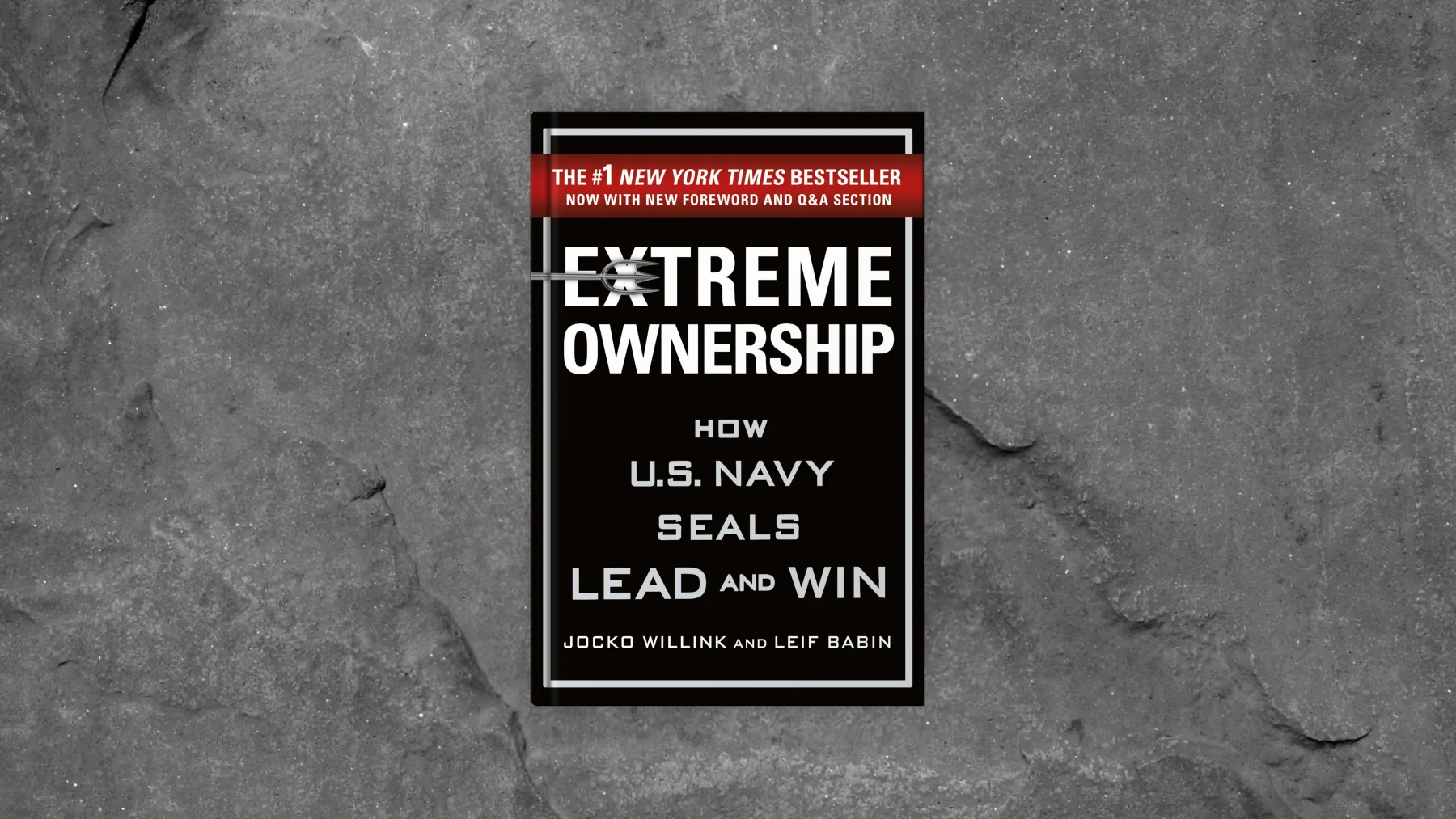
Leadership lessons forged in combat and applied to business. Blunt, powerful and impossible to ignore.
Jocko Willink and Leif Babin led US Navy SEAL units in some of the toughest conditions imaginable. In Extreme Ownership, they translate the lessons they learned into principles for leading any team.
Each chapter pairs a story from the battlefield with an example from business. The message running through all of them is uncompromising: leaders own everything in their world. No excuses. The authors don’t tell you it’s easy. They tell you it’s necessary, and they show you exactly what it looks like when it’s done well and when it’s done badly.
It’s structured around twelve principles, each with a clear application for business leaders. The combination of high-stakes stories and practical takeaways makes it hard to put down.
Pivotal takeaways
- Take extreme ownership. When something goes wrong, the leader takes responsibility. Blaming others solves nothing.
- There are no bad teams, only bad leaders. Standards are set by what a leader tolerates. Change the leadership and you change the result.
- Keep it simple. Plans and orders must be understood by everyone. Complexity breeds confusion and failure.
- Decentralise command. Make sure every team member understands the why, so they can make good decisions without waiting to be told.
Why it’s a must-read
At Pivotal, we believe great work comes from teams who own their outcomes. Willink and Babin’s principles are a powerful reminder that culture starts at the top. Accountability is contagious, and so is the lack of it.
It’s an intense read, and not every military analogy will resonate. But the core ideas are some of the most practical leadership advice you’ll find anywhere.
The chapter on “Cover and Move” is a favourite of ours. Teams win together, and the moment departments start competing with each other, everybody loses.
Rating: ★★★★★
A book that will change how you lead—and how you react the next time something goes wrong. Read it with your leadership team, then agree together what you’ll take ownership of next. The conversation alone will be worth it.
Your step. Where could you take more ownership this week? Share in the comments, and let’s lead by example.